

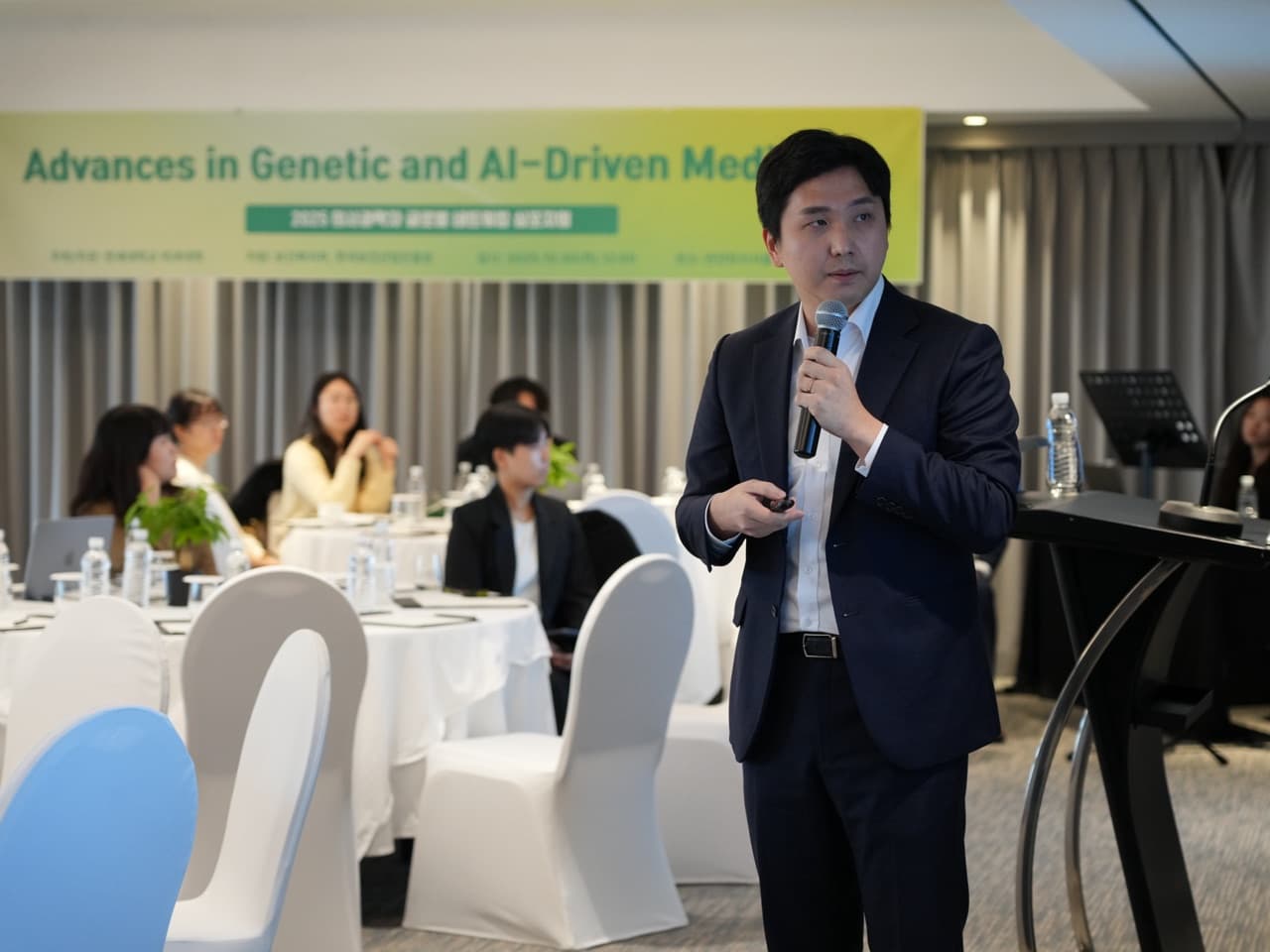
Events with international speakers go wrong around people, not programs. Flight schedules, the ride from the airport, hotel contract terms, support during the event, the return flight. Miss one and your speaker worries about logistics instead of their talk. This guide is based on how zzzarit ran VIP protocol for US speakers at the 2025 Physician-Scientist Global Networking Symposium at Banyan Tree Seoul.
Both directions hit the same problems
Whether a Korean institution invites US speakers or an overseas organization holds an event in Korea, the checklist is the same — only the language and the contracting party change. An overseas host needs a local partner to handle Korean hotel and venue contracts, review quotes, and manage on-site communication. A Korean host needs one owner responsible for the speaker's entire journey, from landing to boarding.
What VIP protocol actually covers
- Flights — agree early on whether airfare is included, which class, and change terms
- Airport pickup — arrival time and terminal, name board and vehicle, a contact chain for delays
- Hotel booking and contracting — room type, breakfast, early check-in and late check-out, settlement
- Support during the event — venue transfers, meals, a named bilingual contact
- Rehearsal and AV — slide formats, adapters, running order and cue signals
- Check-out and departure — airport transfer timed backwards from the flight, rebooking support
If you are an overseas organization hosting in Korea
Venue terms, designated-vendor rules, load-in, power, and internet policies in Korea are mostly documented in Korean only, and time zones can turn a simple question into a week of email. zzzarit communicates with Korean venues and hotels locally, delivers the confirmed terms in English, and staffs the event day with bilingual operators.

If you are a Korean host inviting speakers from the US
Invitations and schedules go out in English; settlement paperwork must satisfy Korean rules. What speakers worry about most is simple: who meets me when I land? Set one contact channel before arrival and keep the same owner from airport pickup through hotel, venue, and departure. zzzarit ran that entire span as one team at the symposium.
When outsourcing makes sense
With one or two speakers and dedicated internal staff, you can run this yourself. With multiple speakers, a VIP-grade protocol standard, or a host organization that cannot be on the ground in Korea, outsourcing is the realistic option. Putting event operations and protocol in one team means one point of contact and faster response when plans change.
FAQ
We are an overseas organization — can we hold an event in Korea through zzzarit?
Yes. zzzarit handles venue and hotel communication locally in Korea, delivers confirmed terms in English, and can run the event day as one team including bilingual on-site staff.
What does the VIP protocol service include?
Airport pickup, hotel booking and contract negotiation, check-in/check-out support, transfers and assistance during the event, and departure support including the return flight — the scope zzzarit actually ran at the Banyan Tree Seoul symposium.
Do you work in English?
Yes. Email communication with overseas speakers and hosts, and on-site guidance, are available in English.
Can we hire protocol only, without full event operations?
Yes. Combining both keeps a single point of contact, but speaker protocol can be commissioned on its own.
How do we get a quote?
Send your event date, speaker count, departure cities, and the protocol scope you need through the contact form; a detailed quote is delivered by email.