
The Haemieupseong Festival takes place from October 9 to 11, 2026. zzzarit created Return to Haemi 1421, a mobile web game for the on-site experience. This gamified stamp tour connects QR stops with stories, missions and journey records. The work covered the game interface, character conversations and history quizzes, journey records and certificates, and Korean and English display. Visitors scan a QR sign to open a place and follow its activities while building Learning, Valor, Arts, and Virtue.
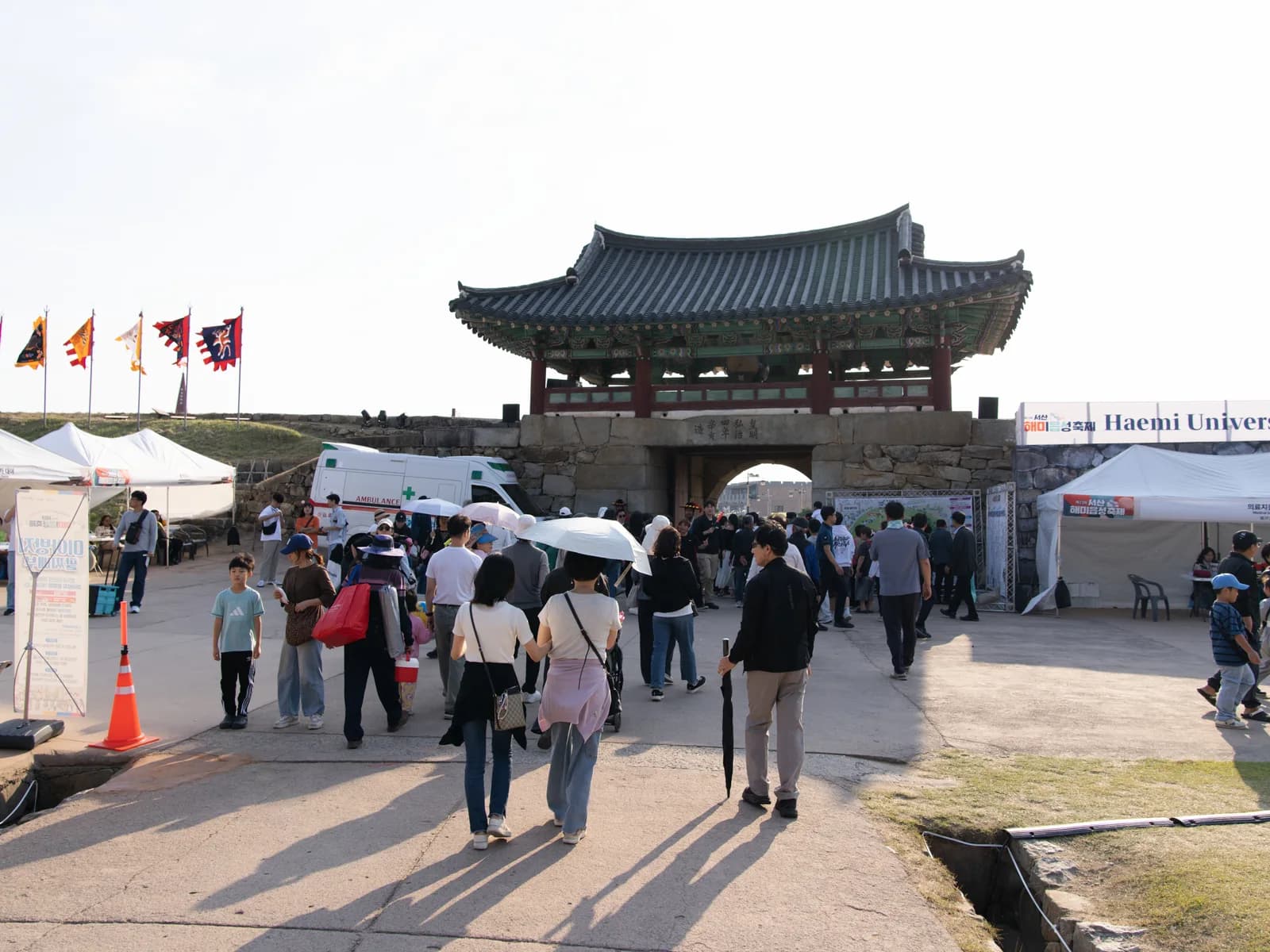
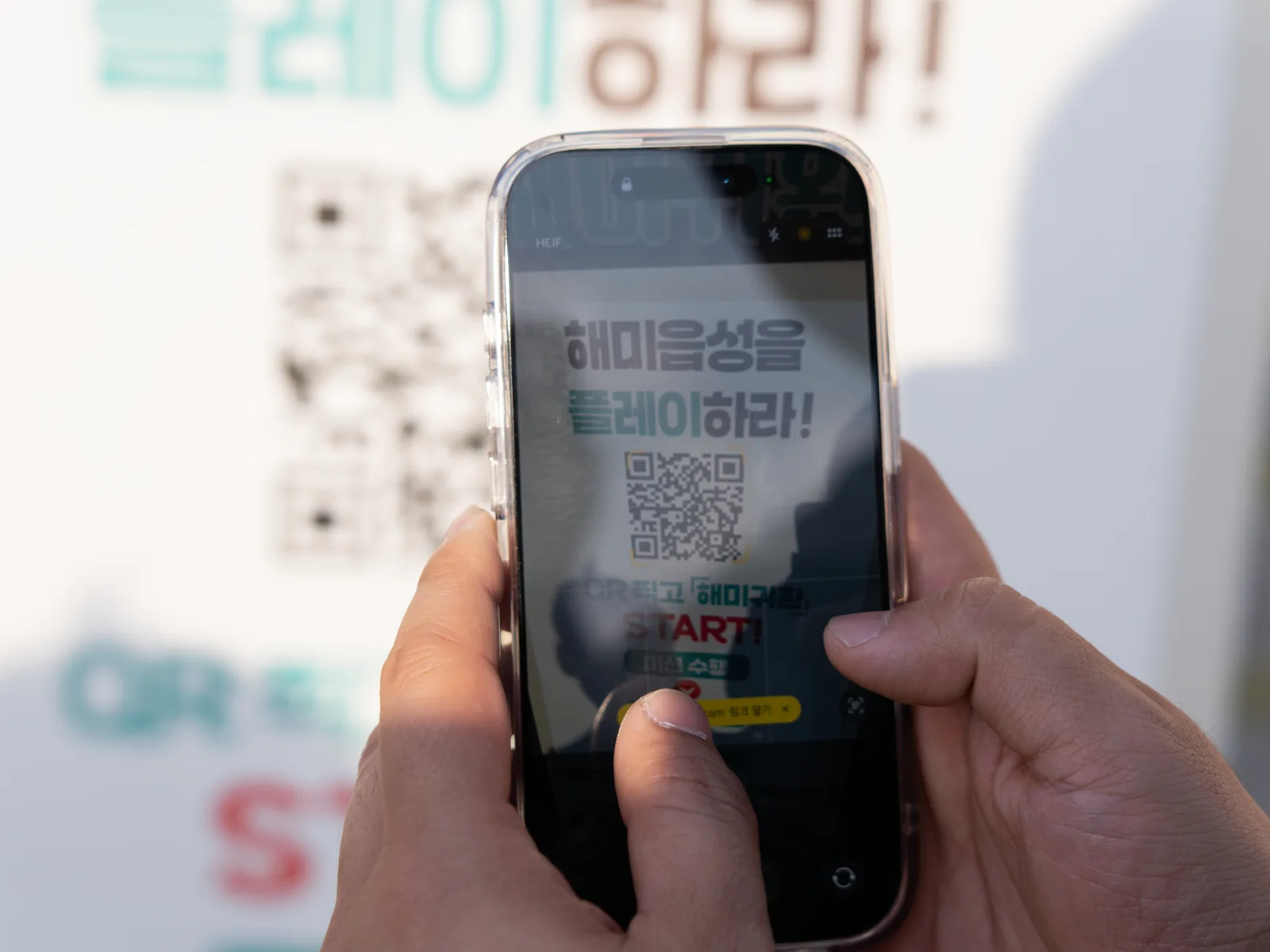
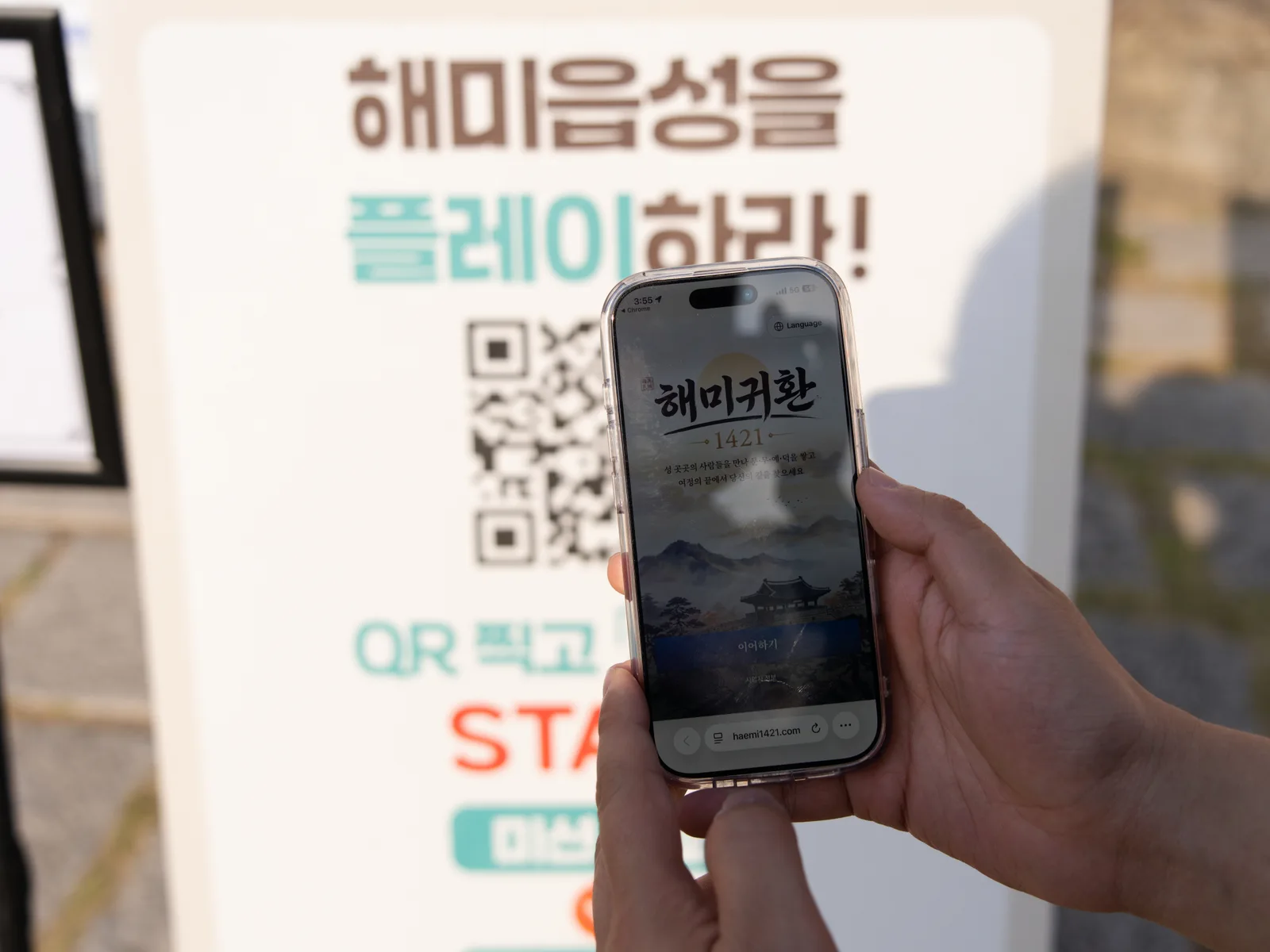
Begin a journey inside the fortress
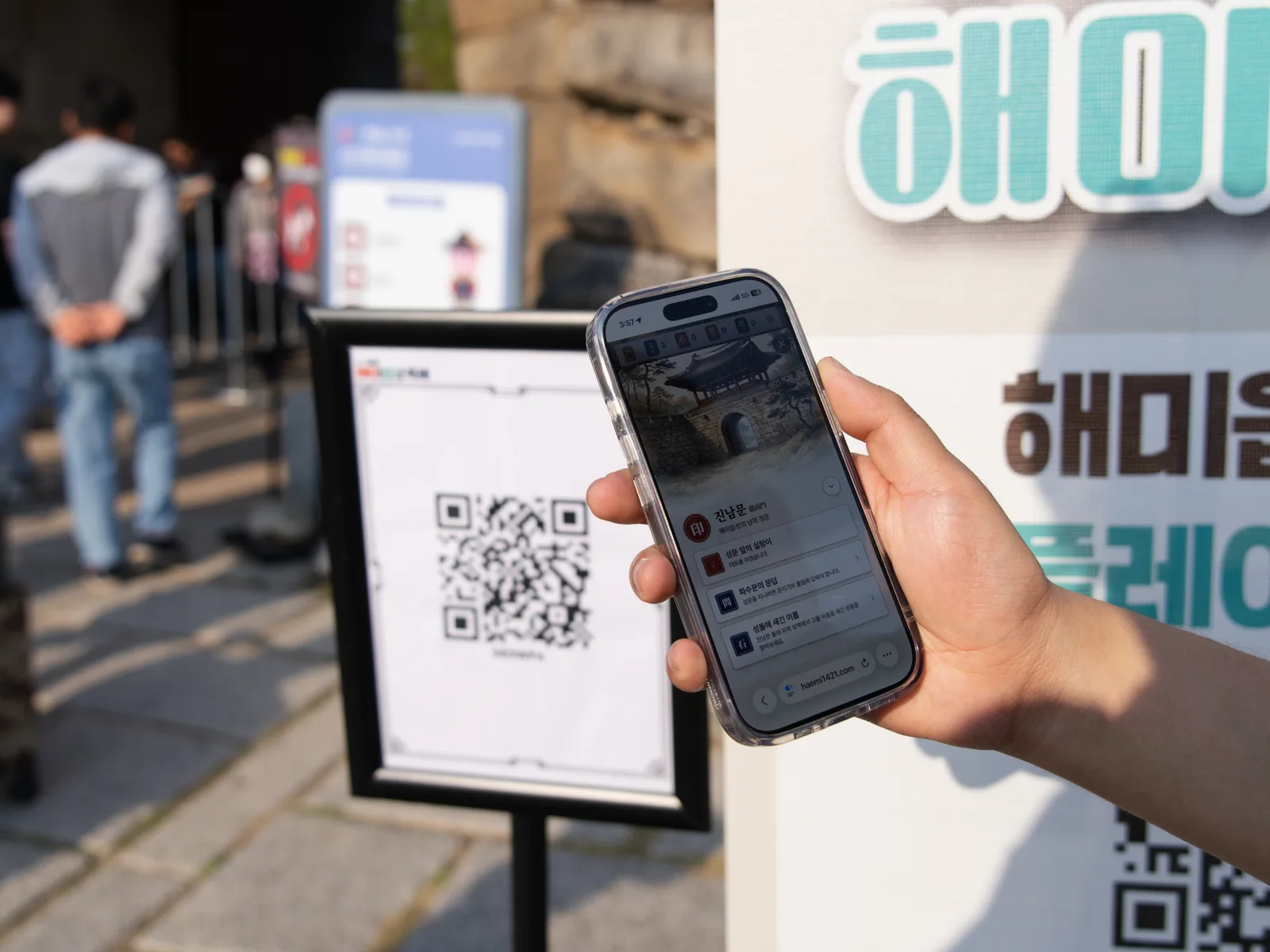
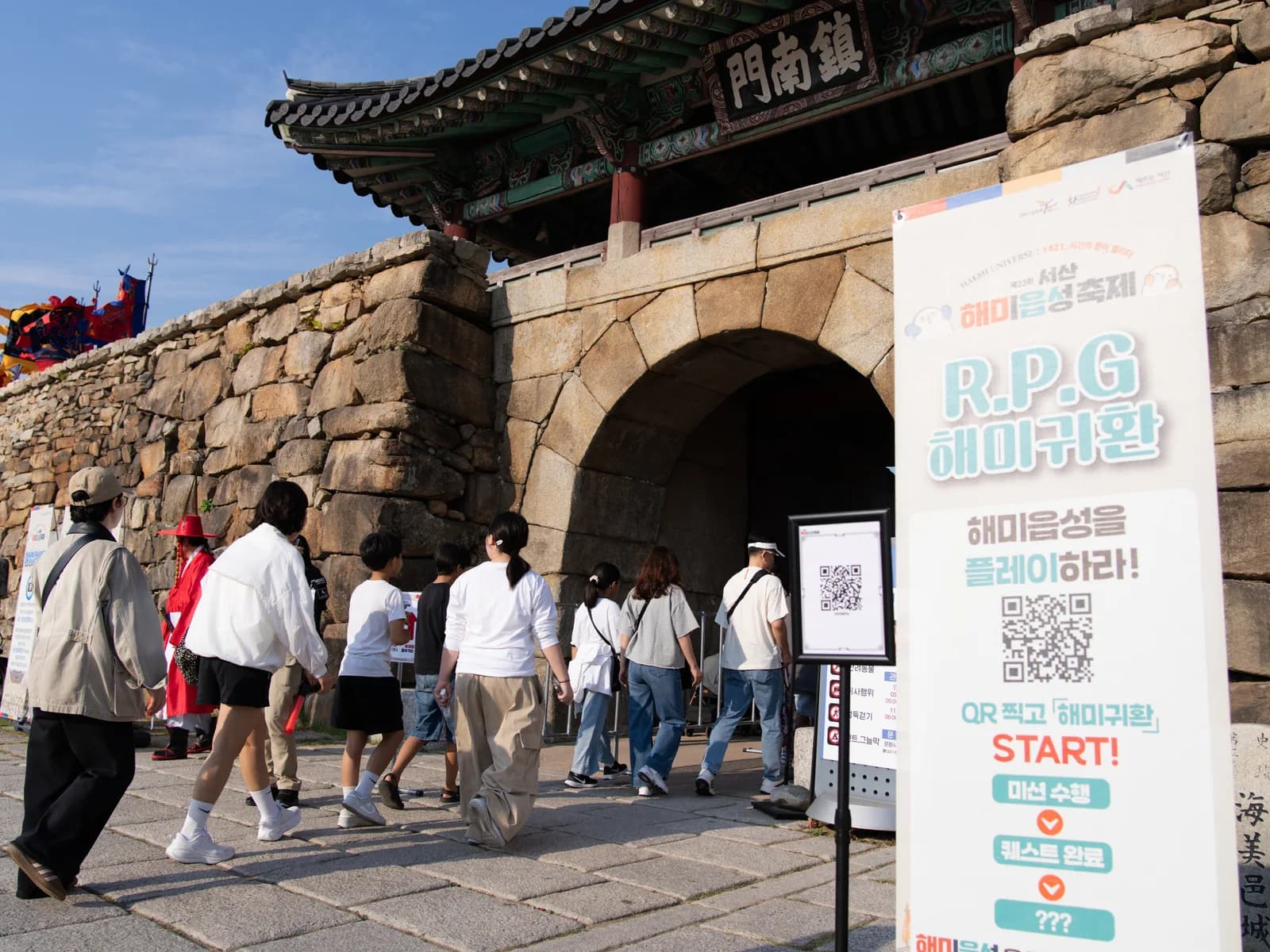
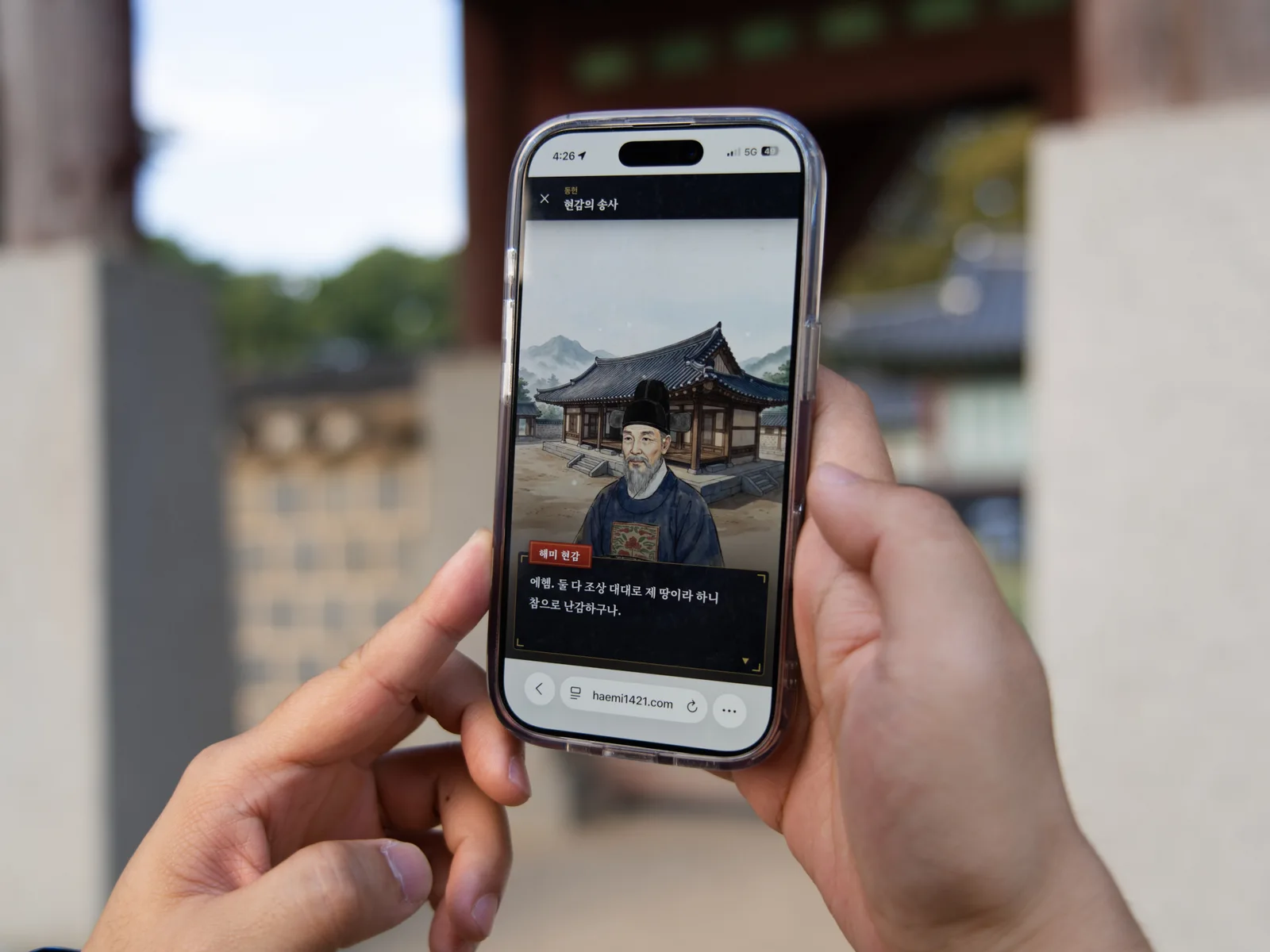
Visitors see the title screen, then follow the South Gate guard's introduction and choose a game name. The game opens in a mobile browser, with no app installation. Each QR sign leads to another place and activity.
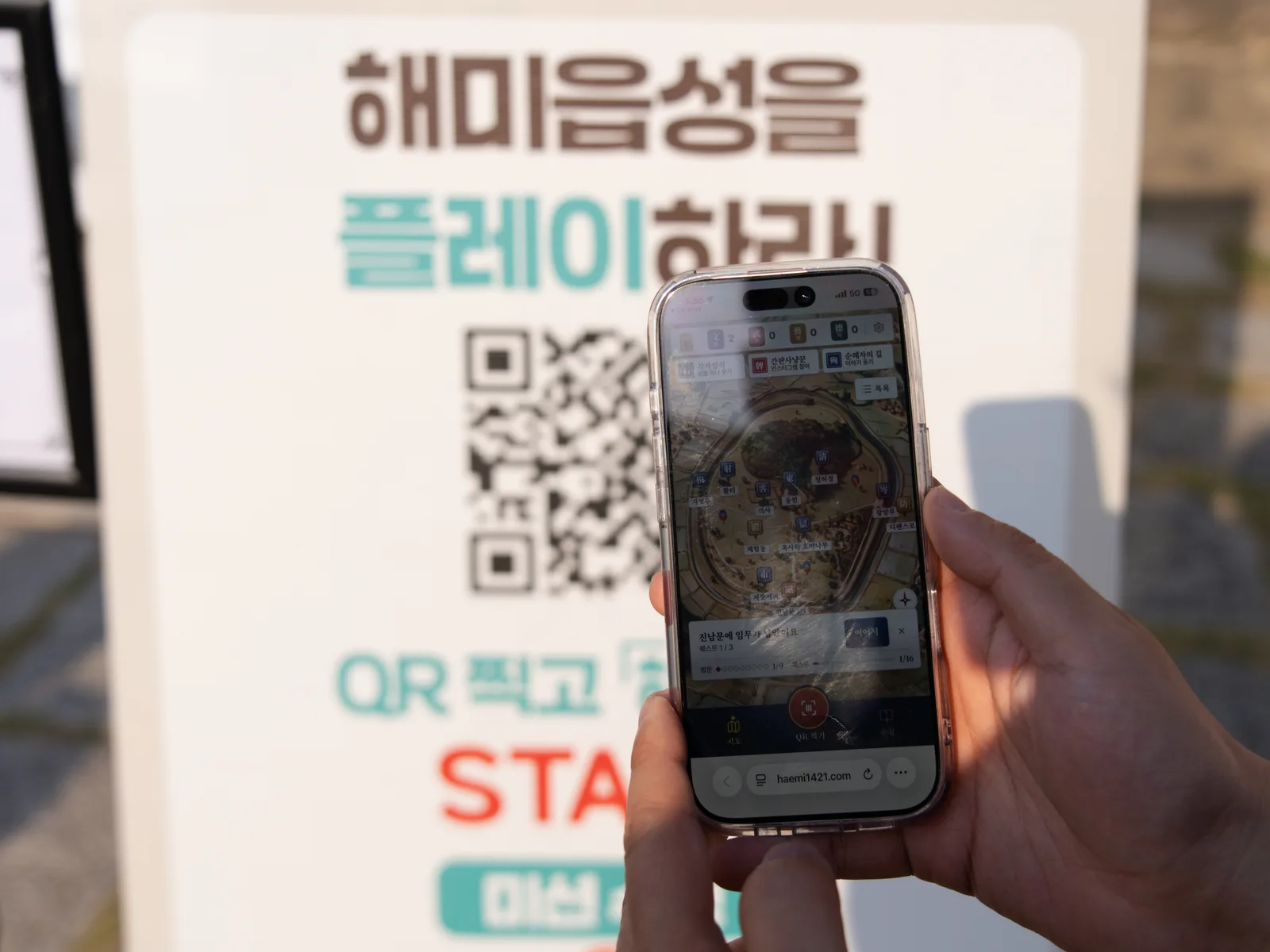
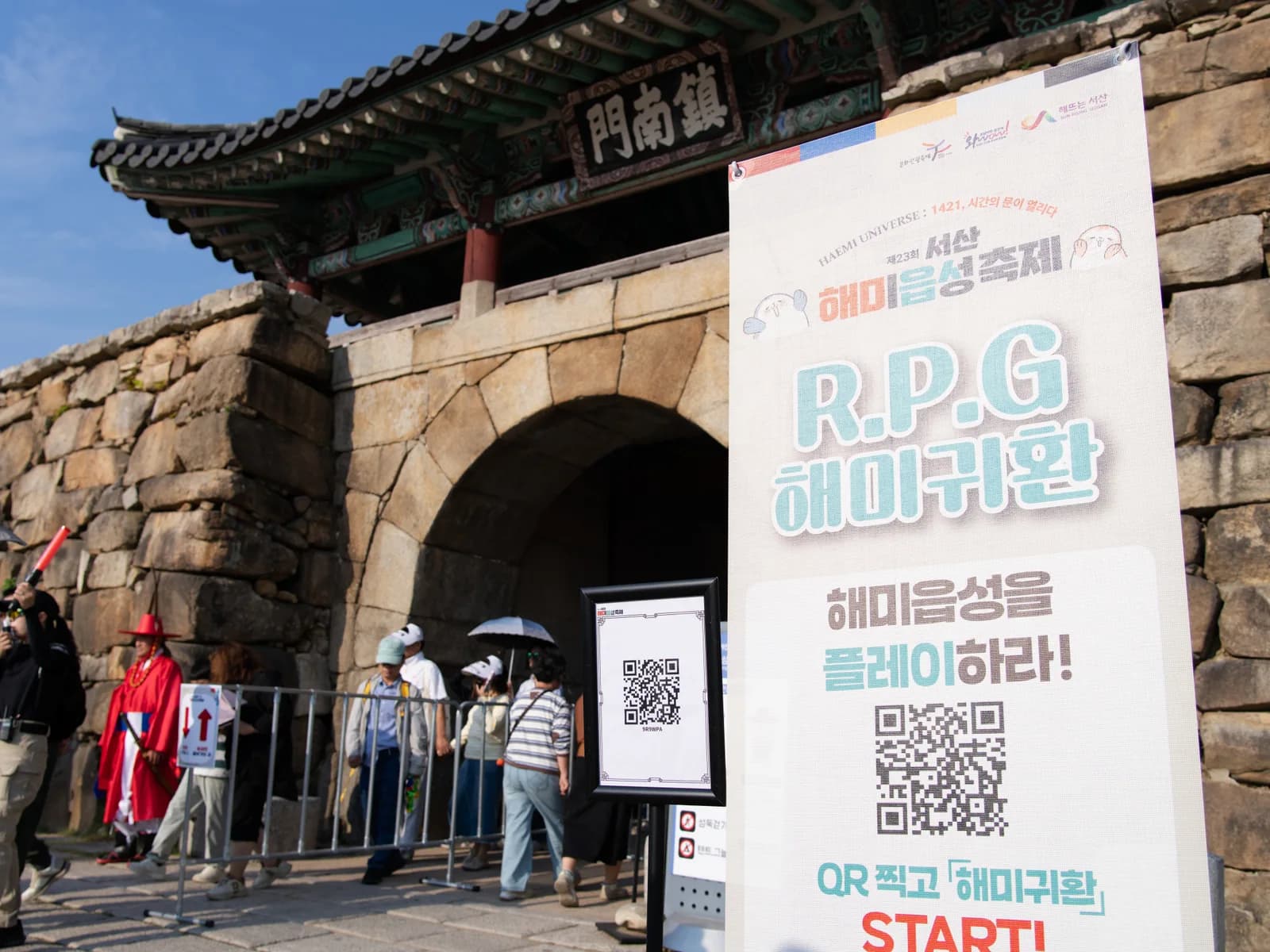
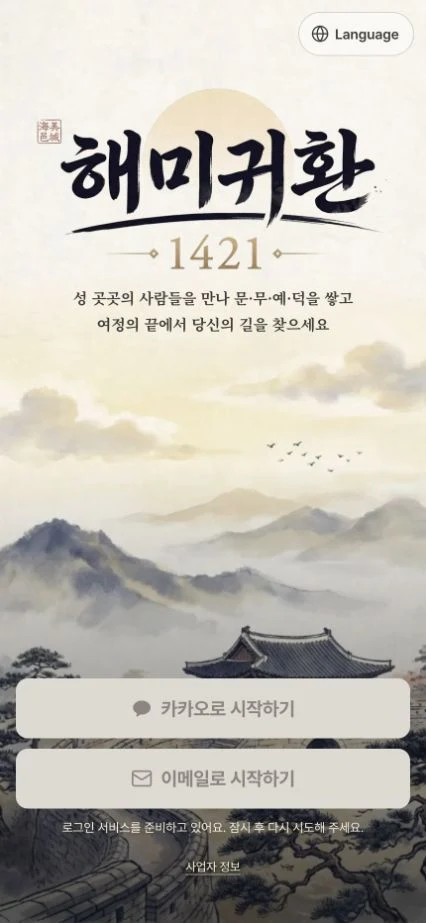
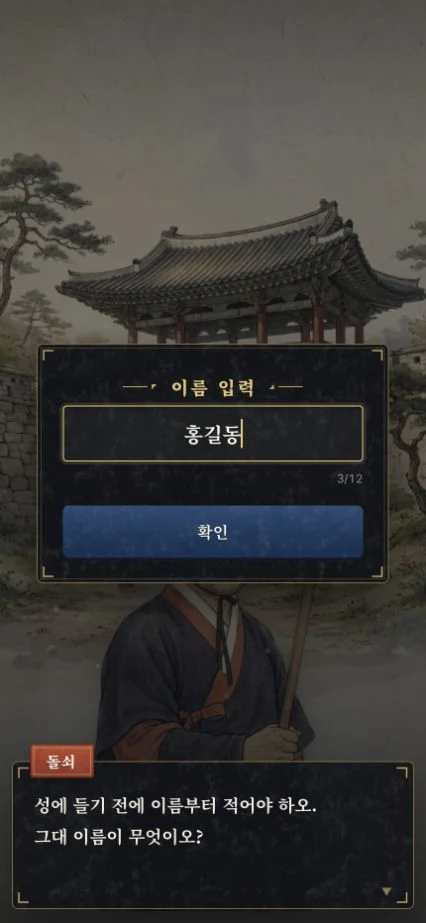
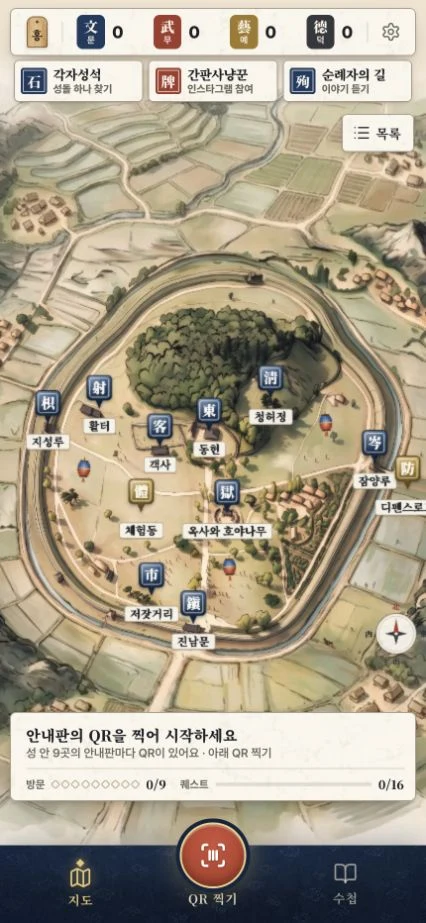
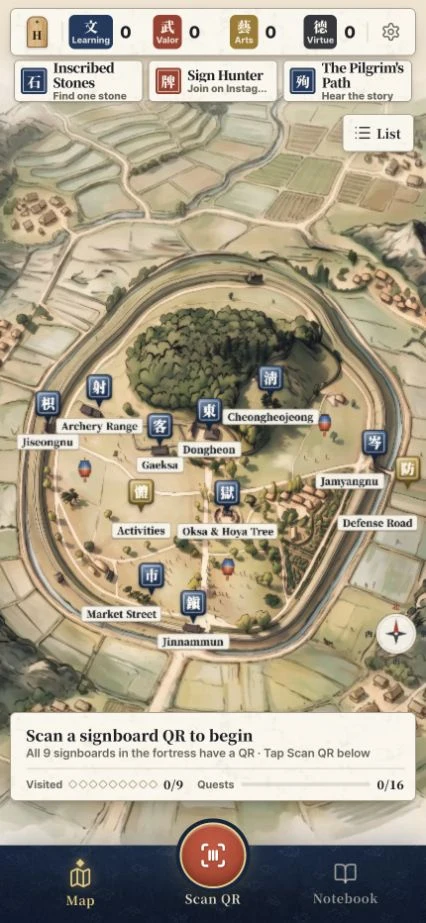
Use the map, then scan a QR sign
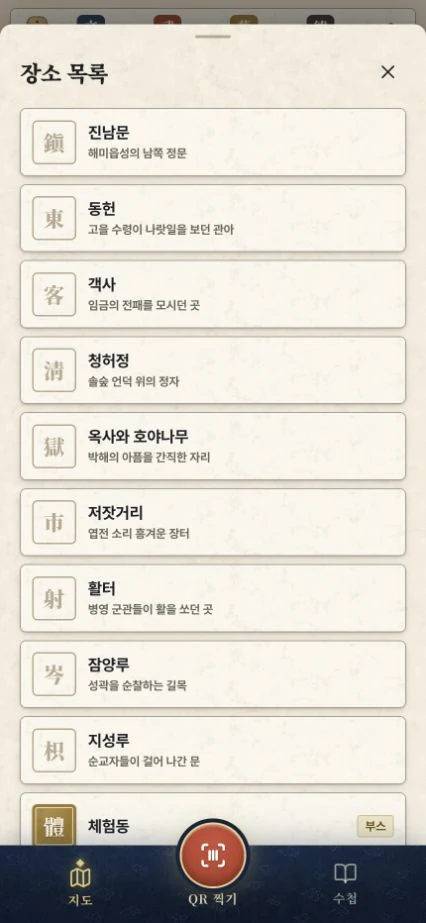
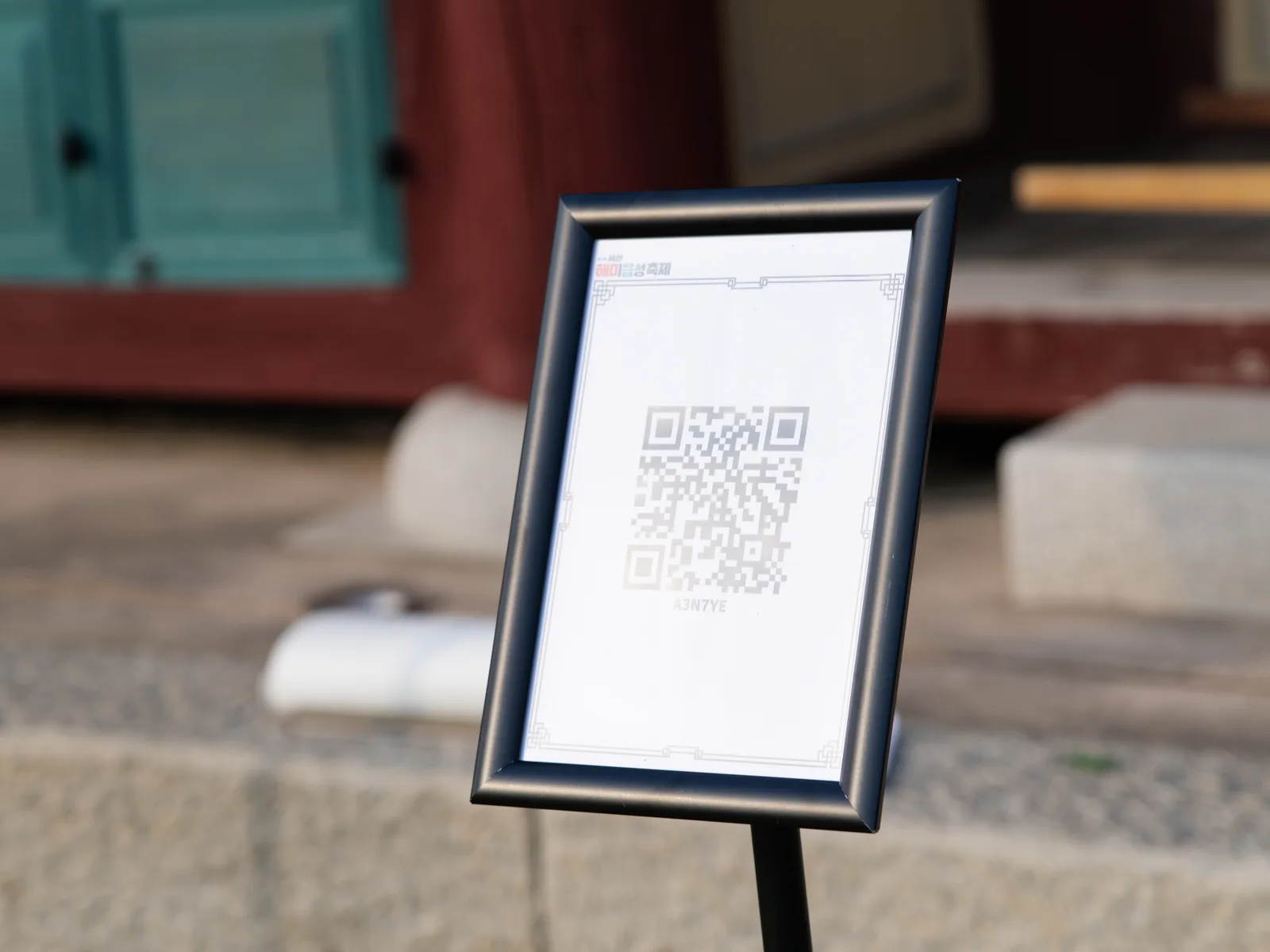
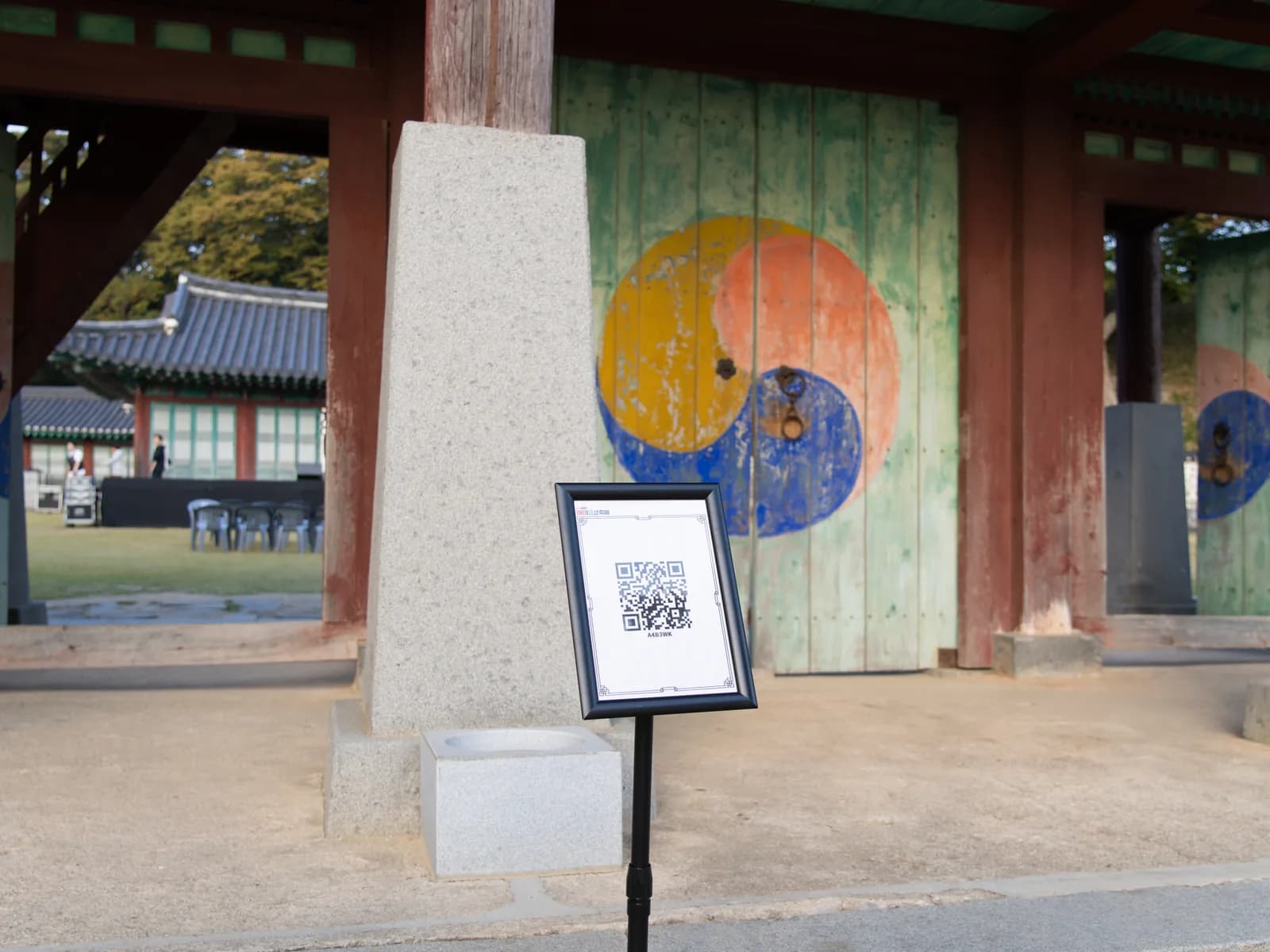
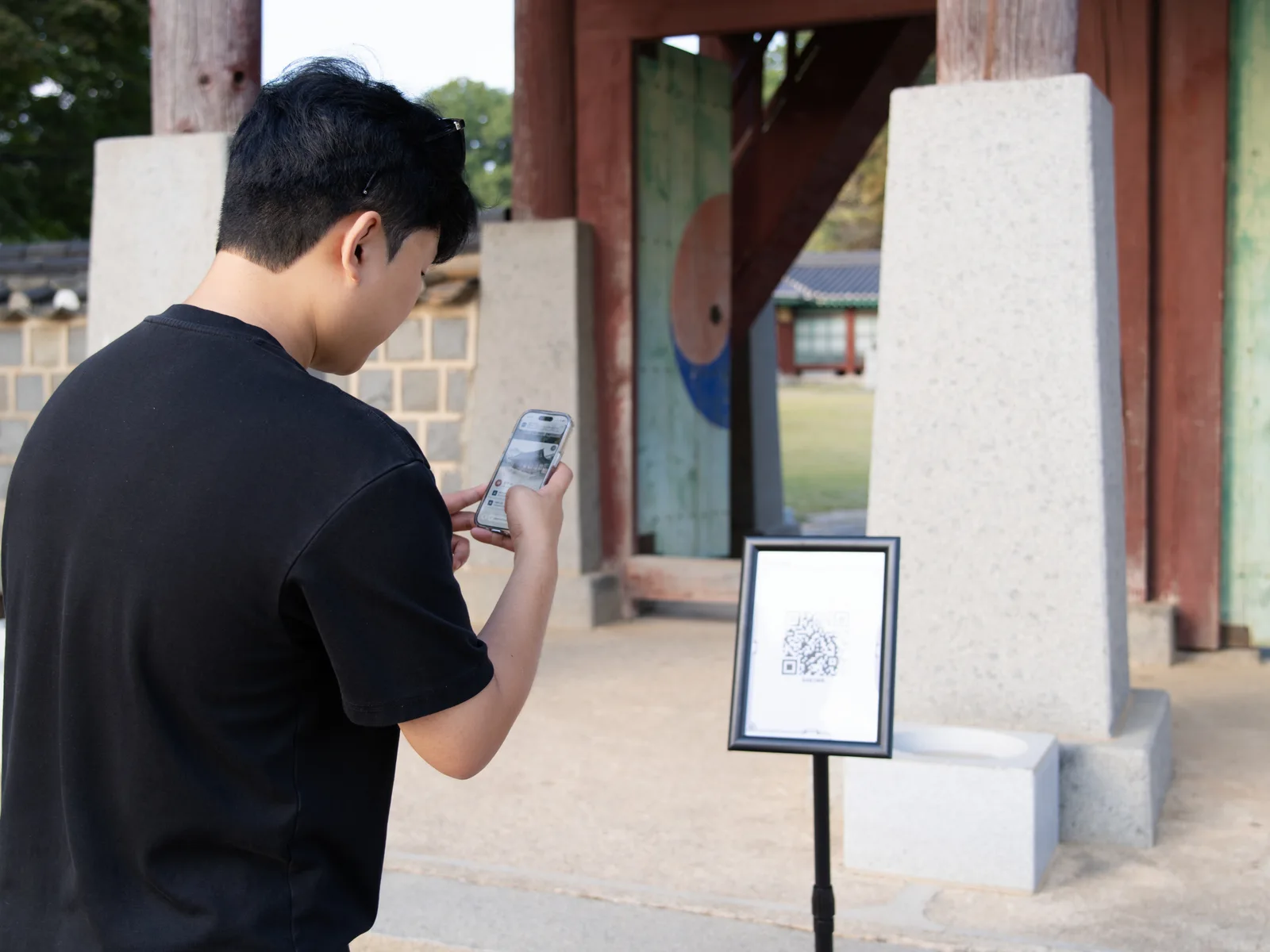
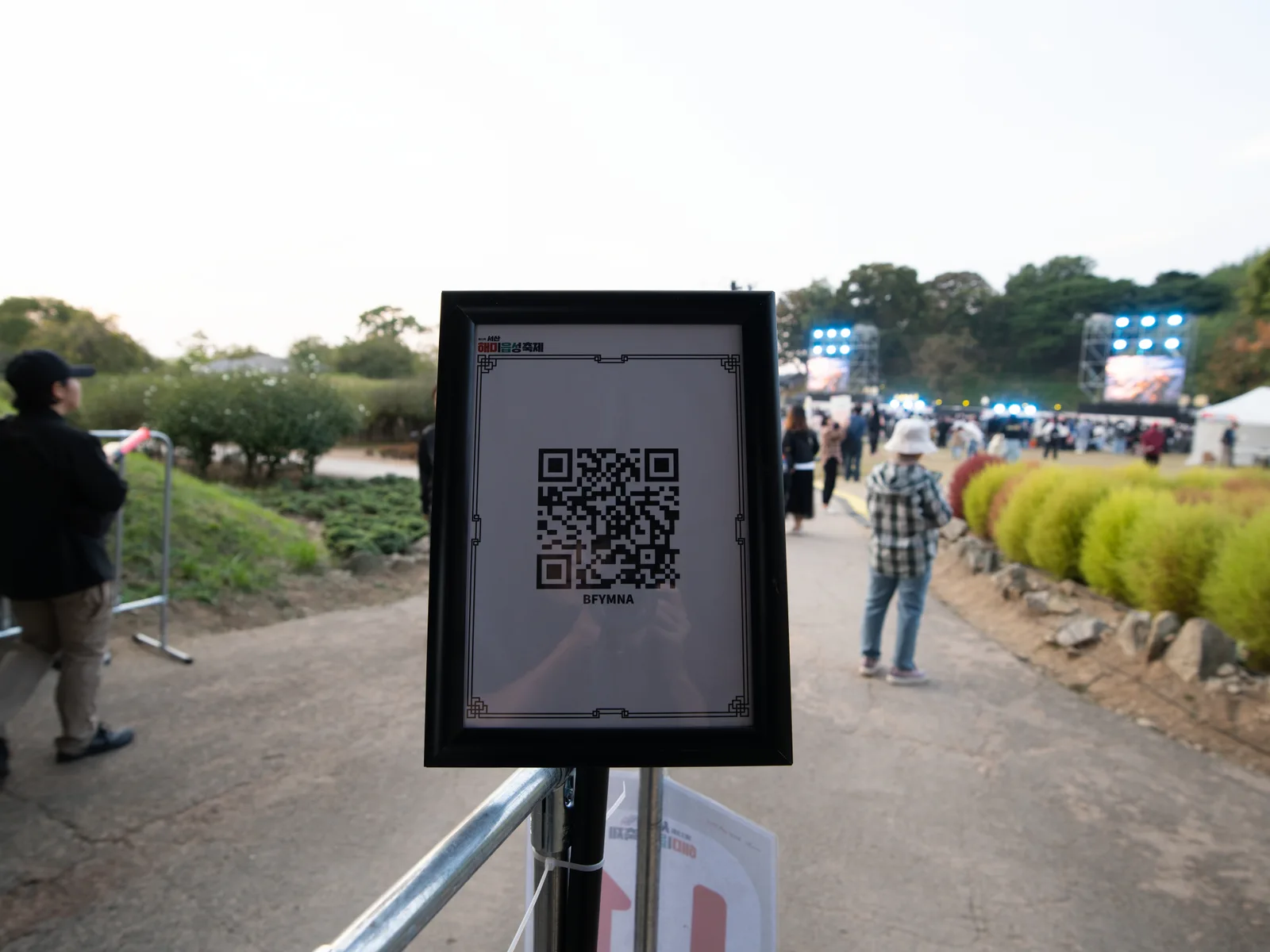
The map shows places inside Haemieupseong and the festival zones. Visitors walk to a sign, scan its QR code, and explore the character, story, or activity for that place. The map gives an overview; each place screen explains what to do there.
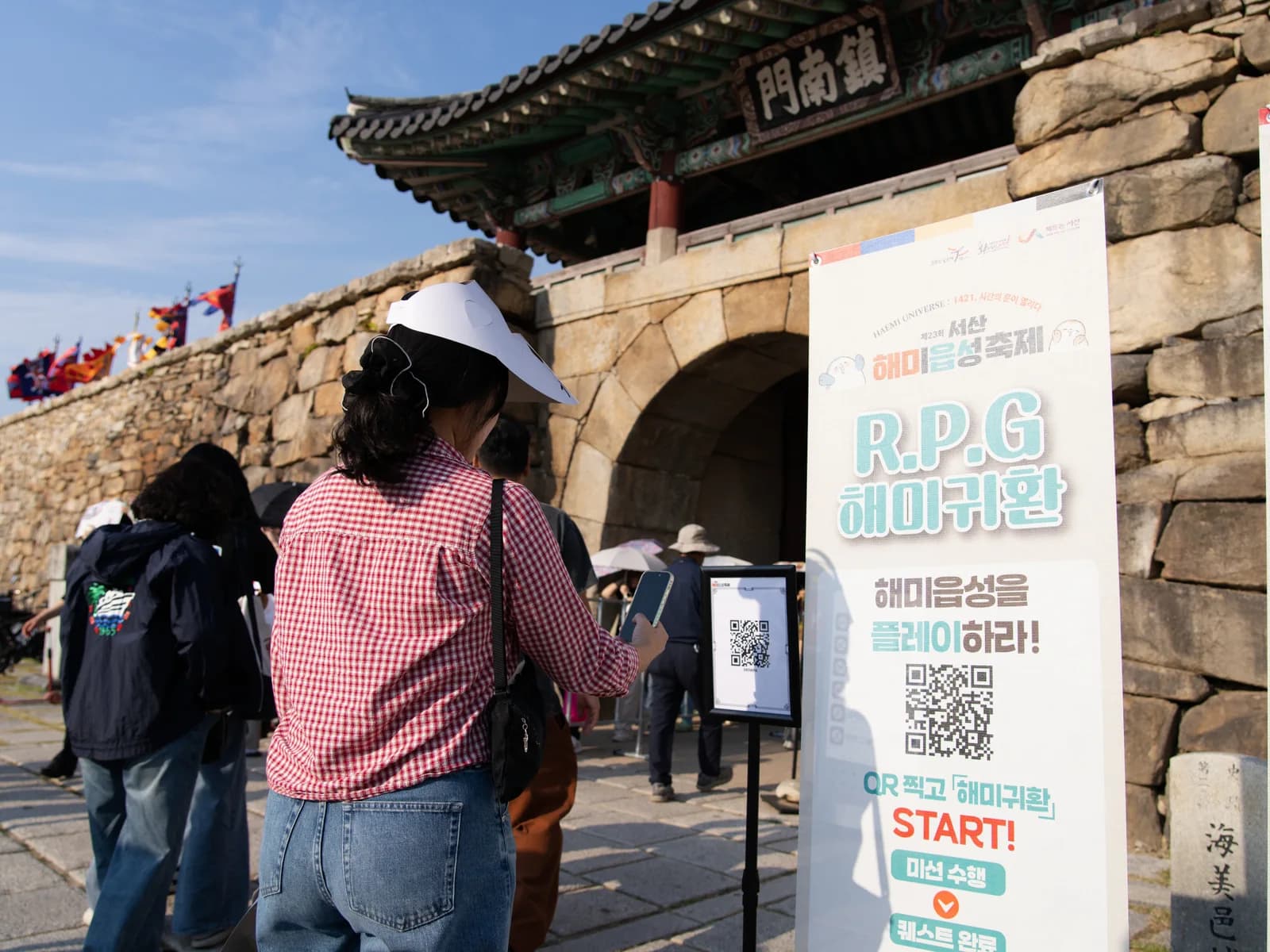
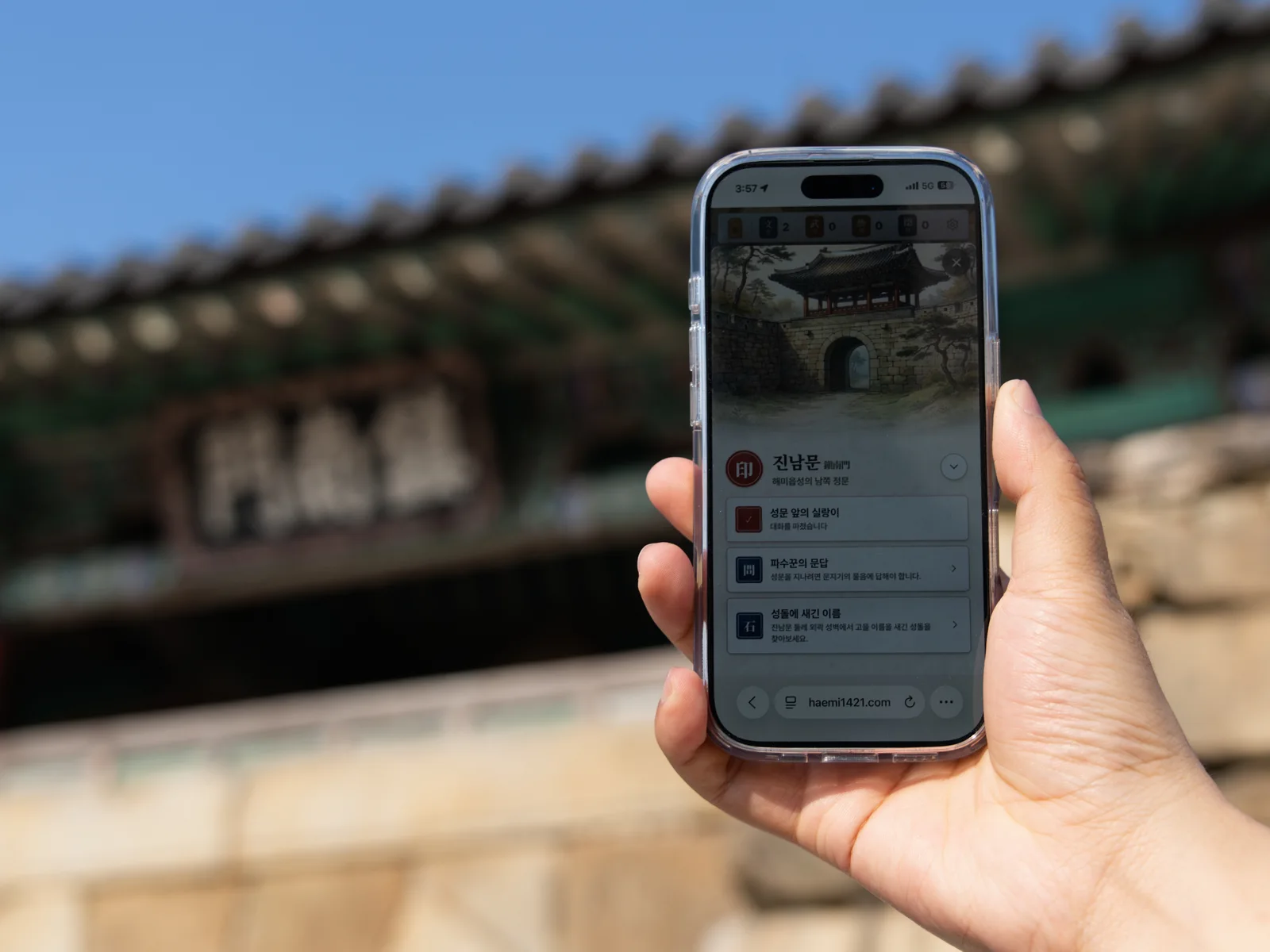
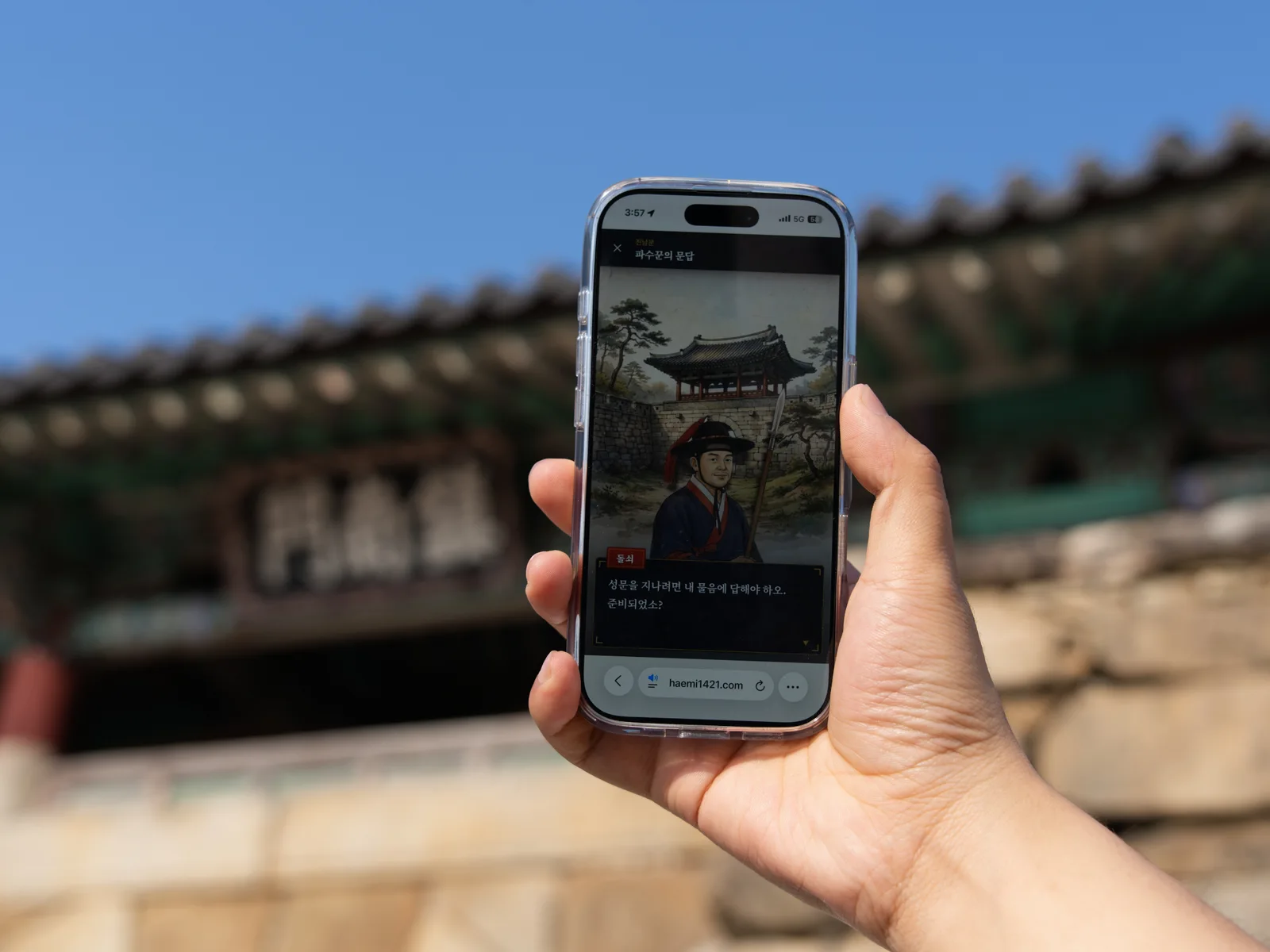
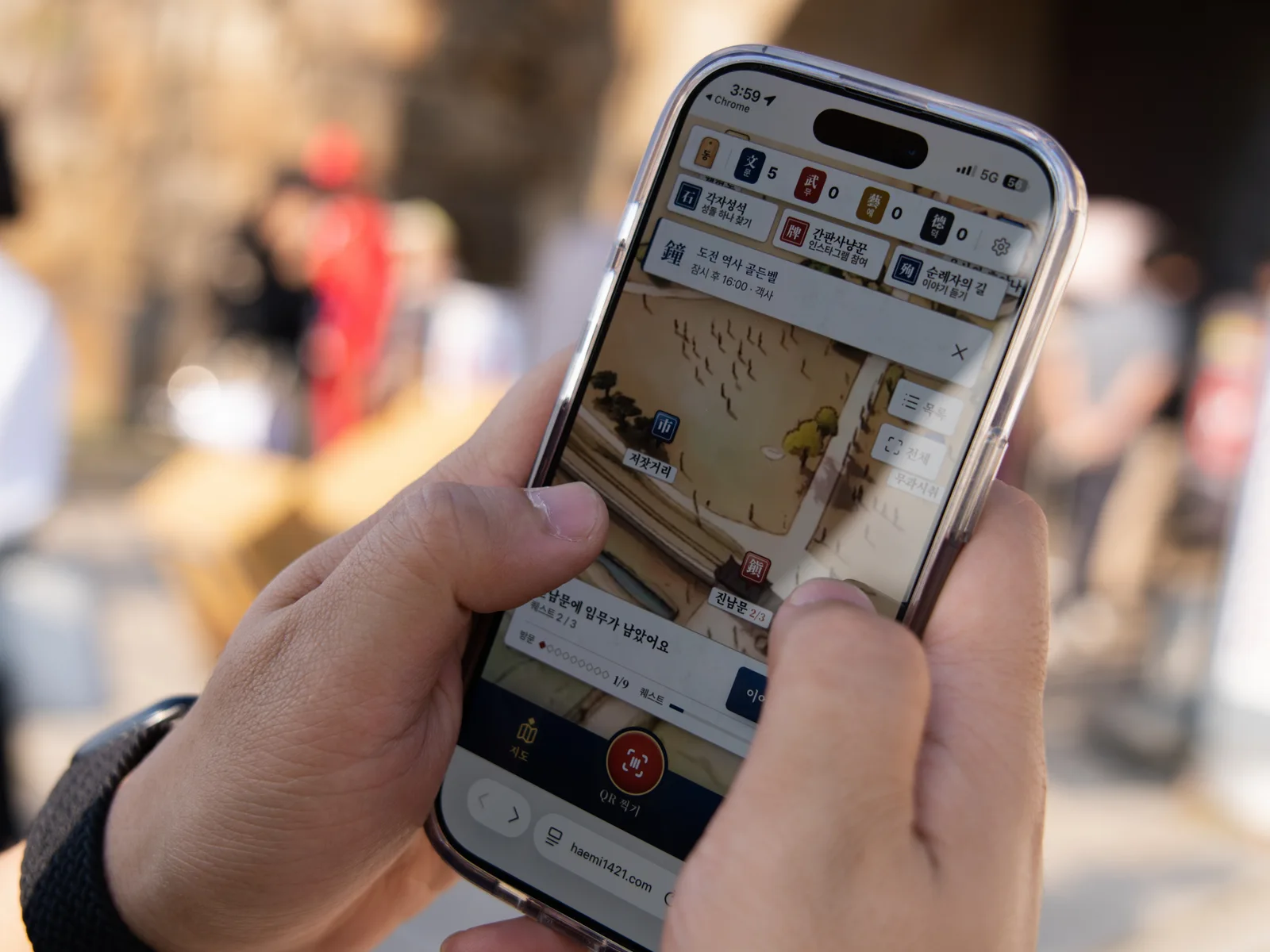
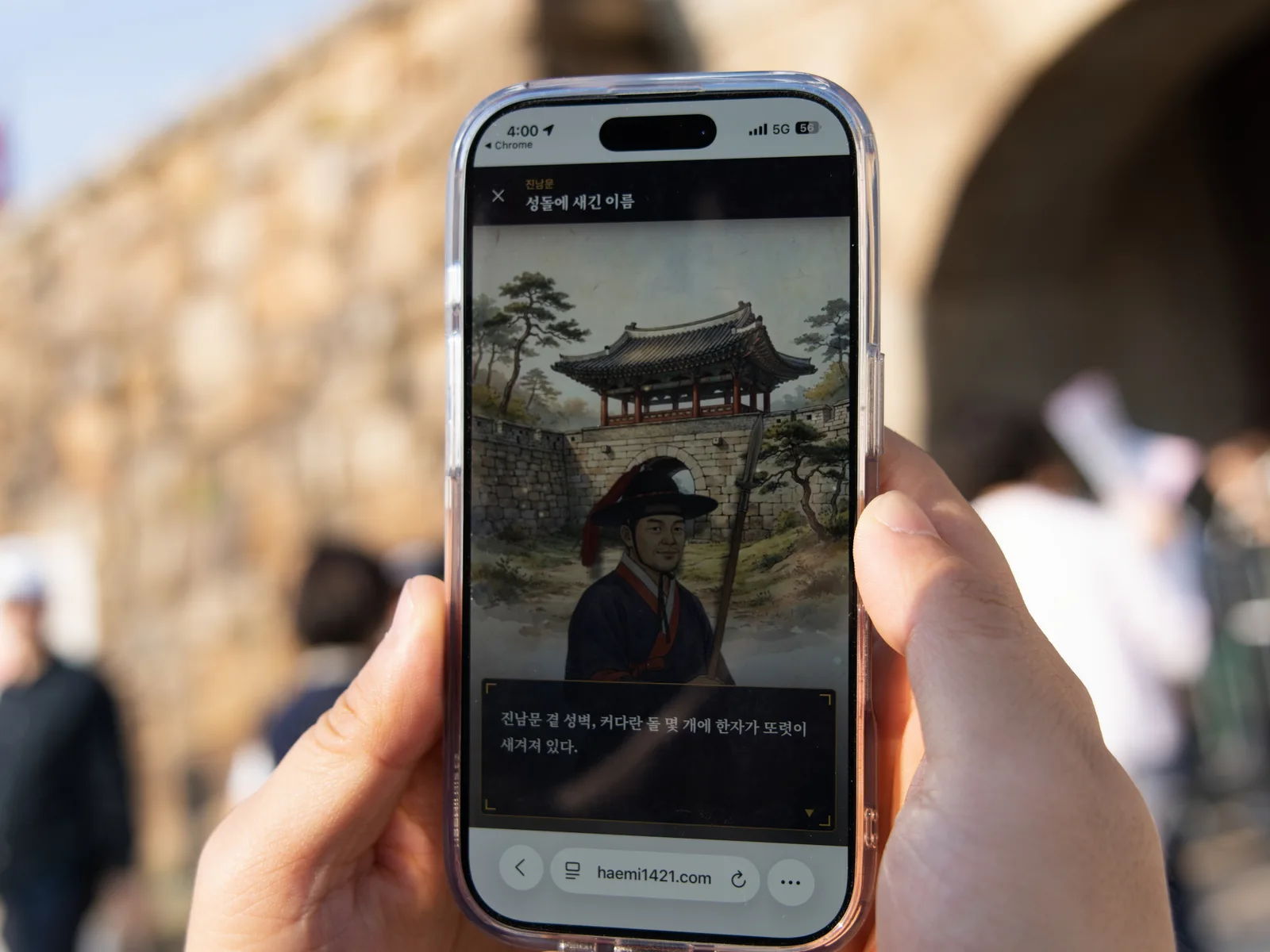

Build Learning, Valor, Arts, and Virtue
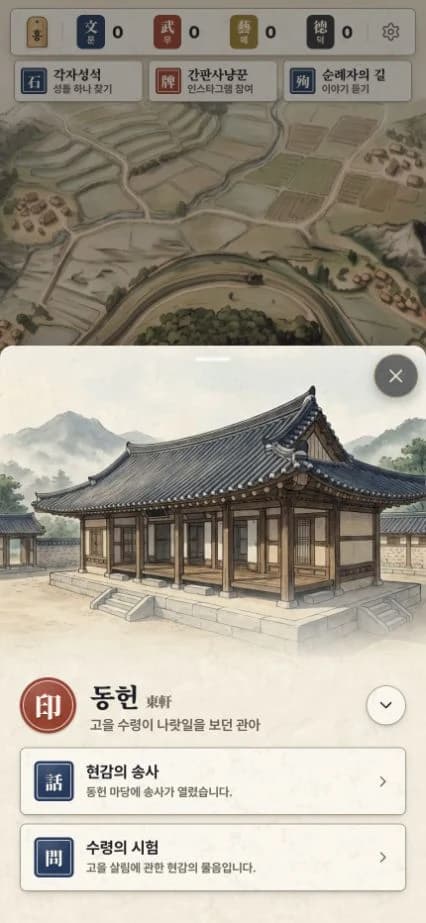
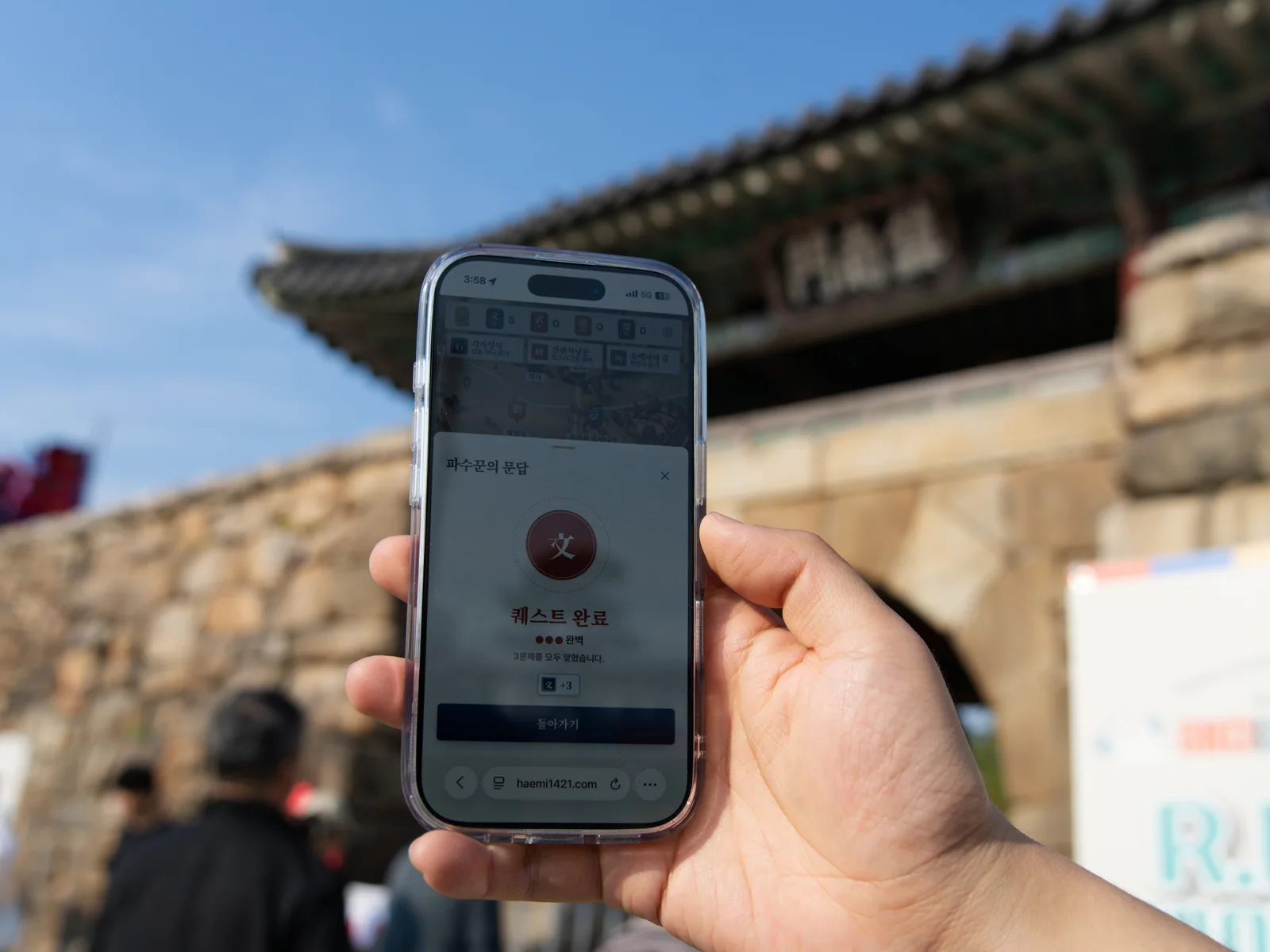
Visitors meet characters, talk with them, and choose responses. History quizzes and fortress-stone stories add more activities to the journey. Completed activities leave a stamp in the journey record and build the four stats: Learning, Valor, Arts, and Virtue. Story scenes and choices are designed for one-handed use on a phone.
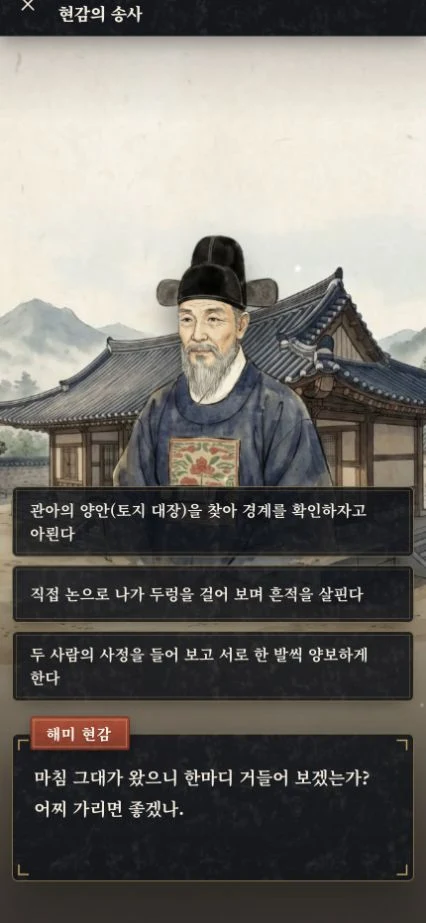
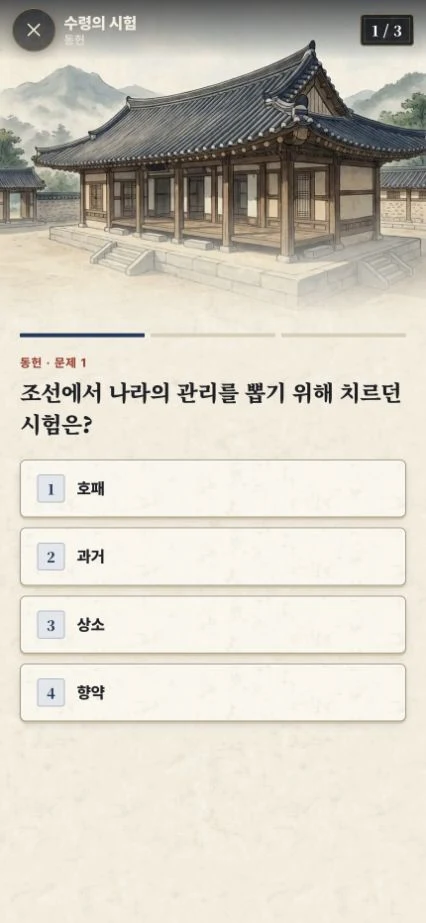
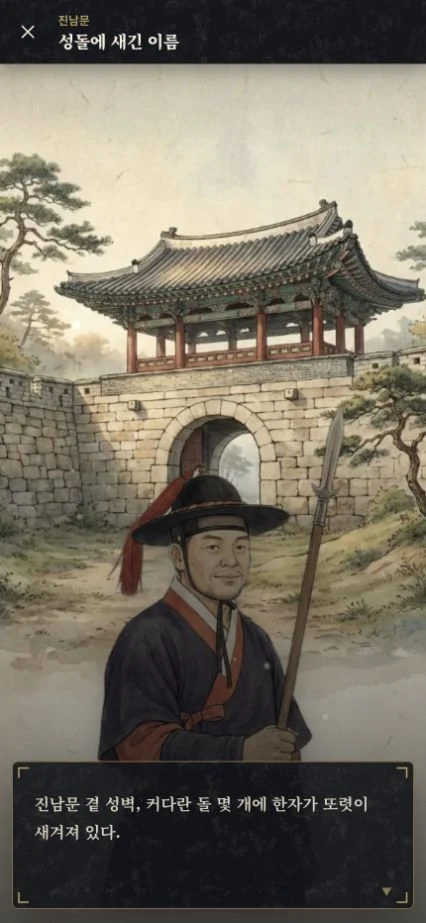
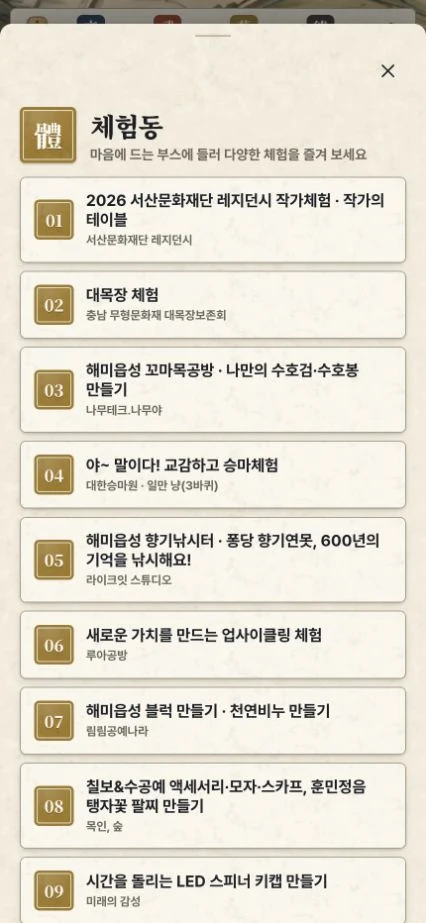
Festival zones and the journey notebook
The game separates exploring places inside the fortress from visiting festival booths. Visitors can browse the Experience Zone and Haemi Defense Road, then review completed activities and visited places in the journey notebook. It brings the current stats and progress together in one place.
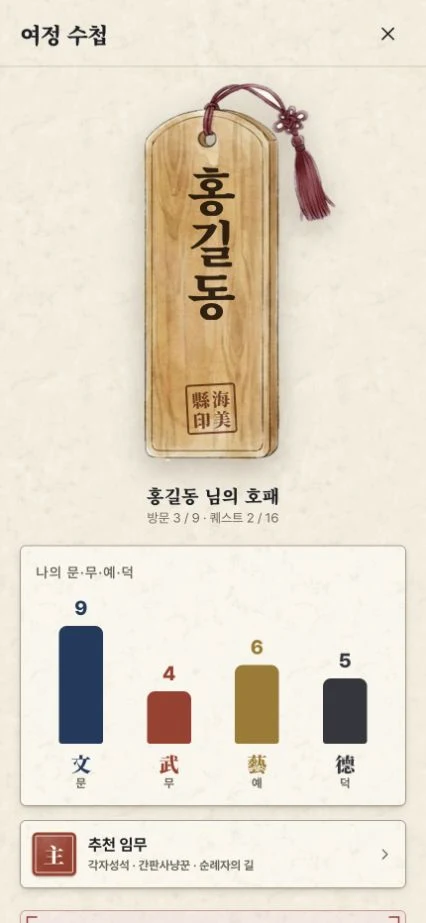
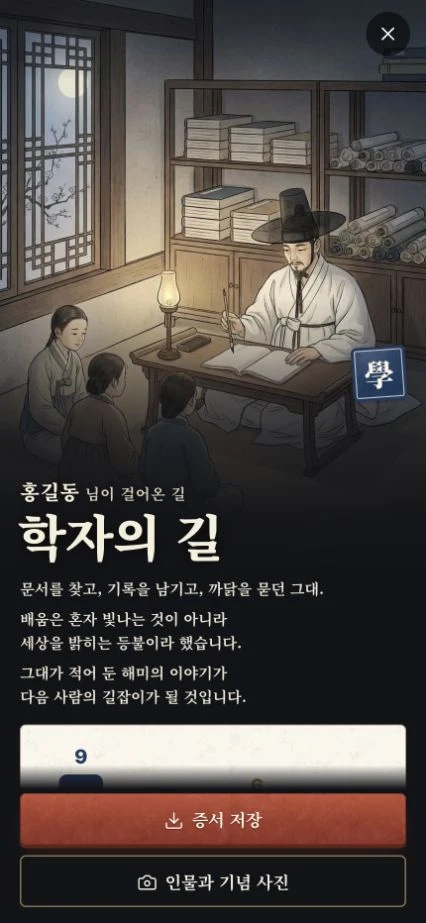
Keep your path in a certificate
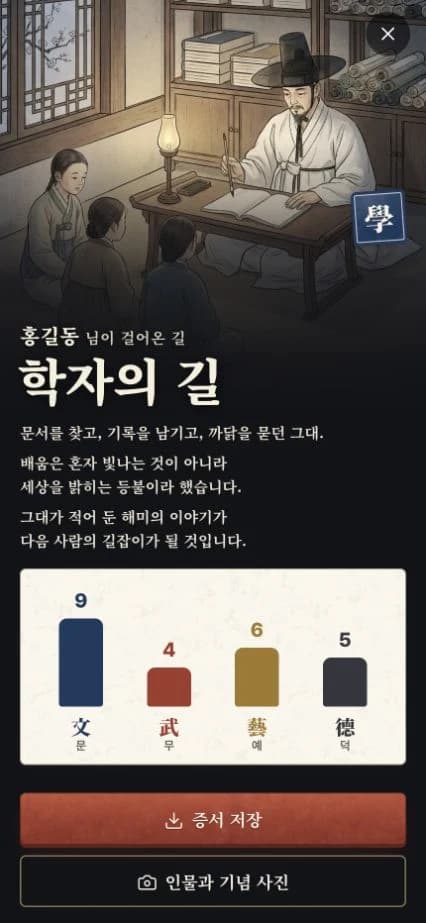
When visitors choose “Finish Journey” in the notebook, the game reveals one of eight paths based on the stats they have built. They can save or share a completion certificate as an image. Their journey record stays available, and they can continue quests after finishing.
Korean and English, with familiar controls
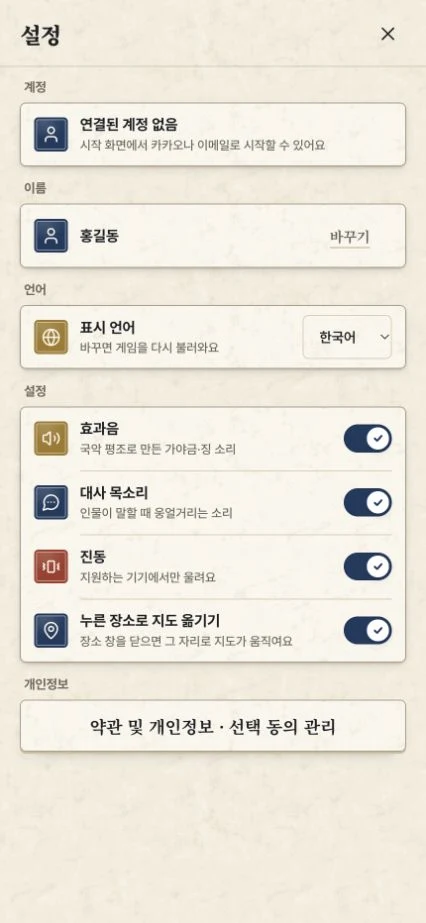
Visitors can choose Korean or English. Settings also let them adjust sound effects, dialogue voice, vibration, and whether the map moves after they select a place. The main flow stays simple so visitors can use the experience in a way that suits their device and preferences.
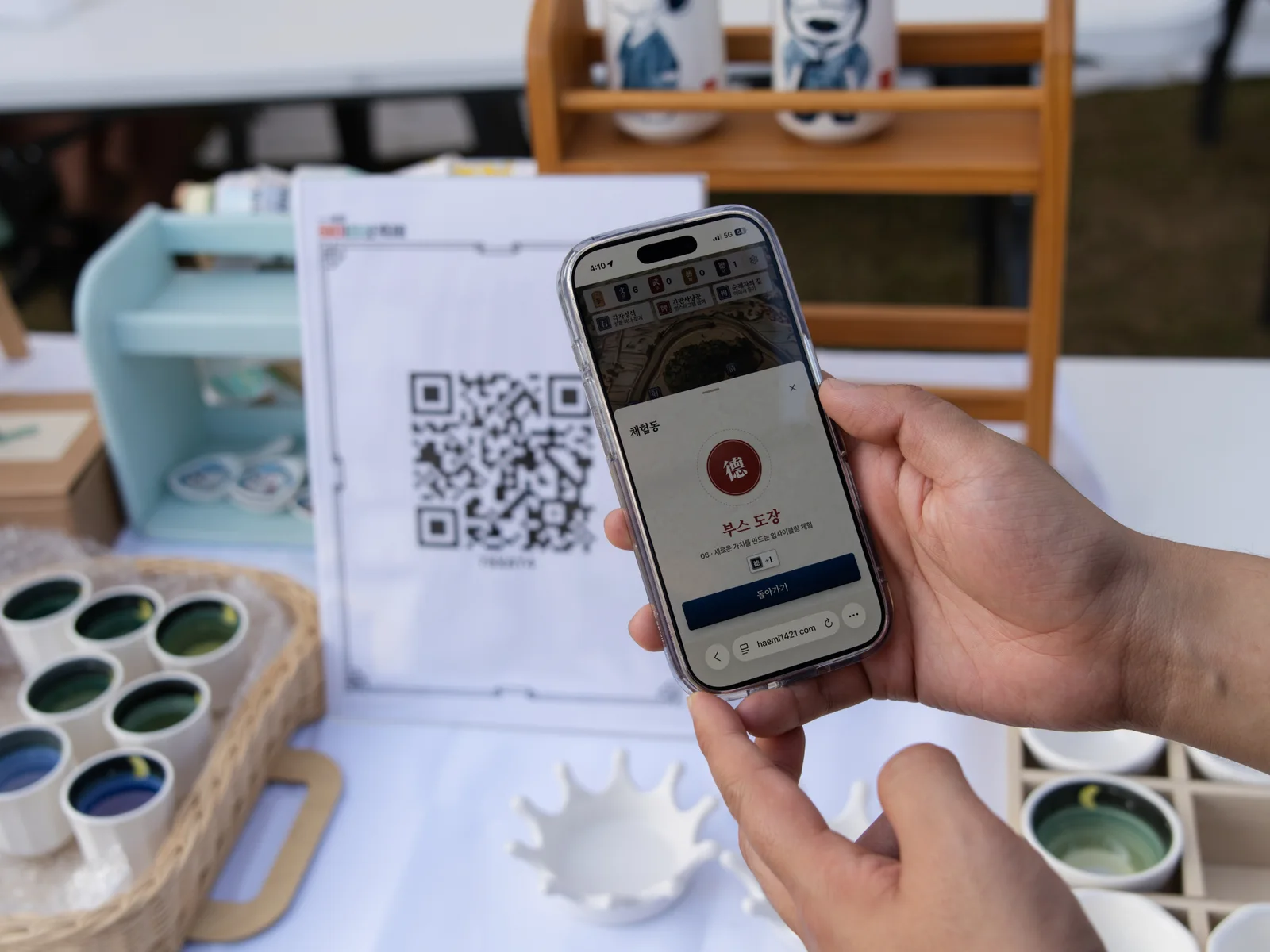
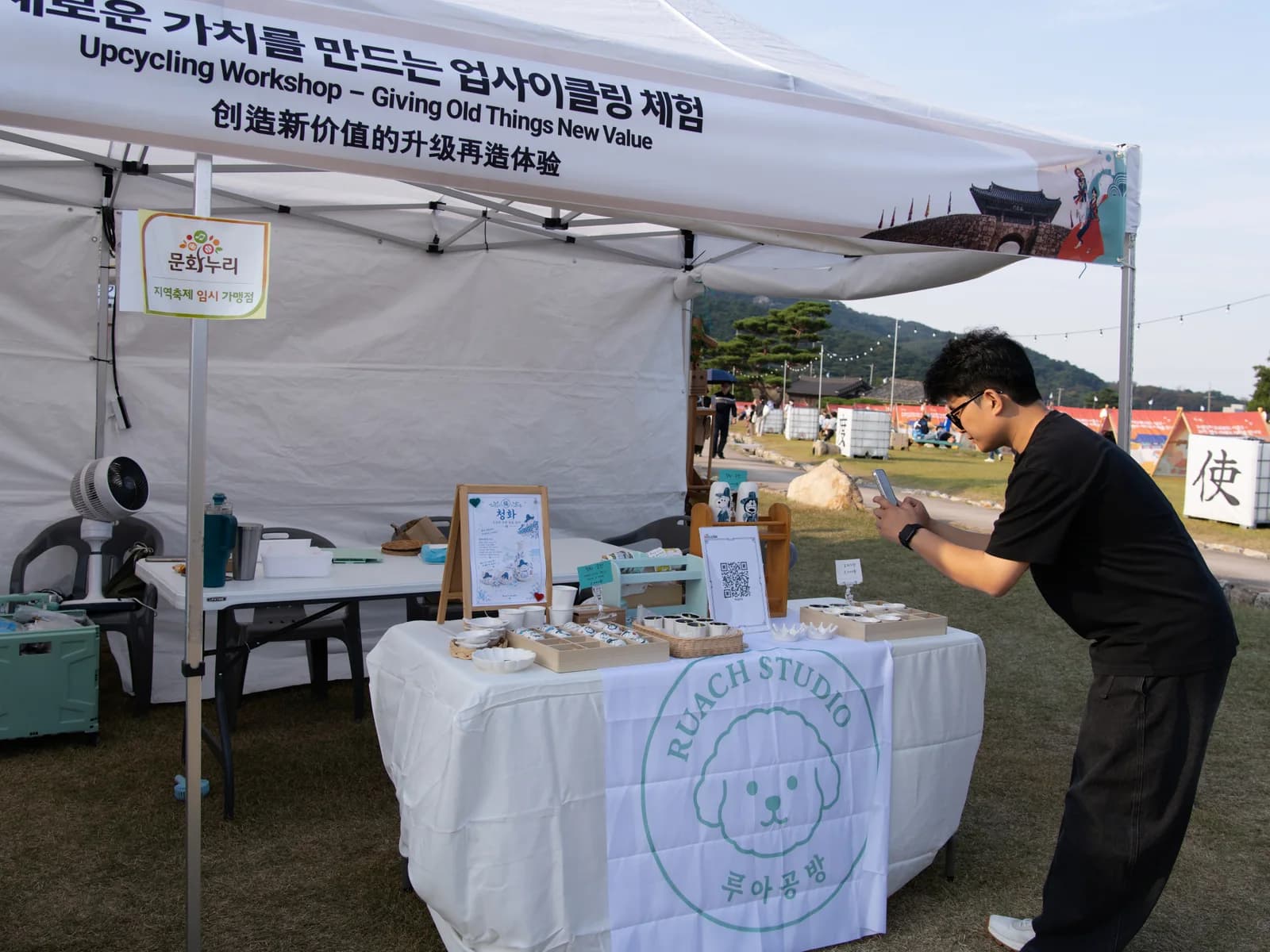
Scenes from Haemieupseong Festival
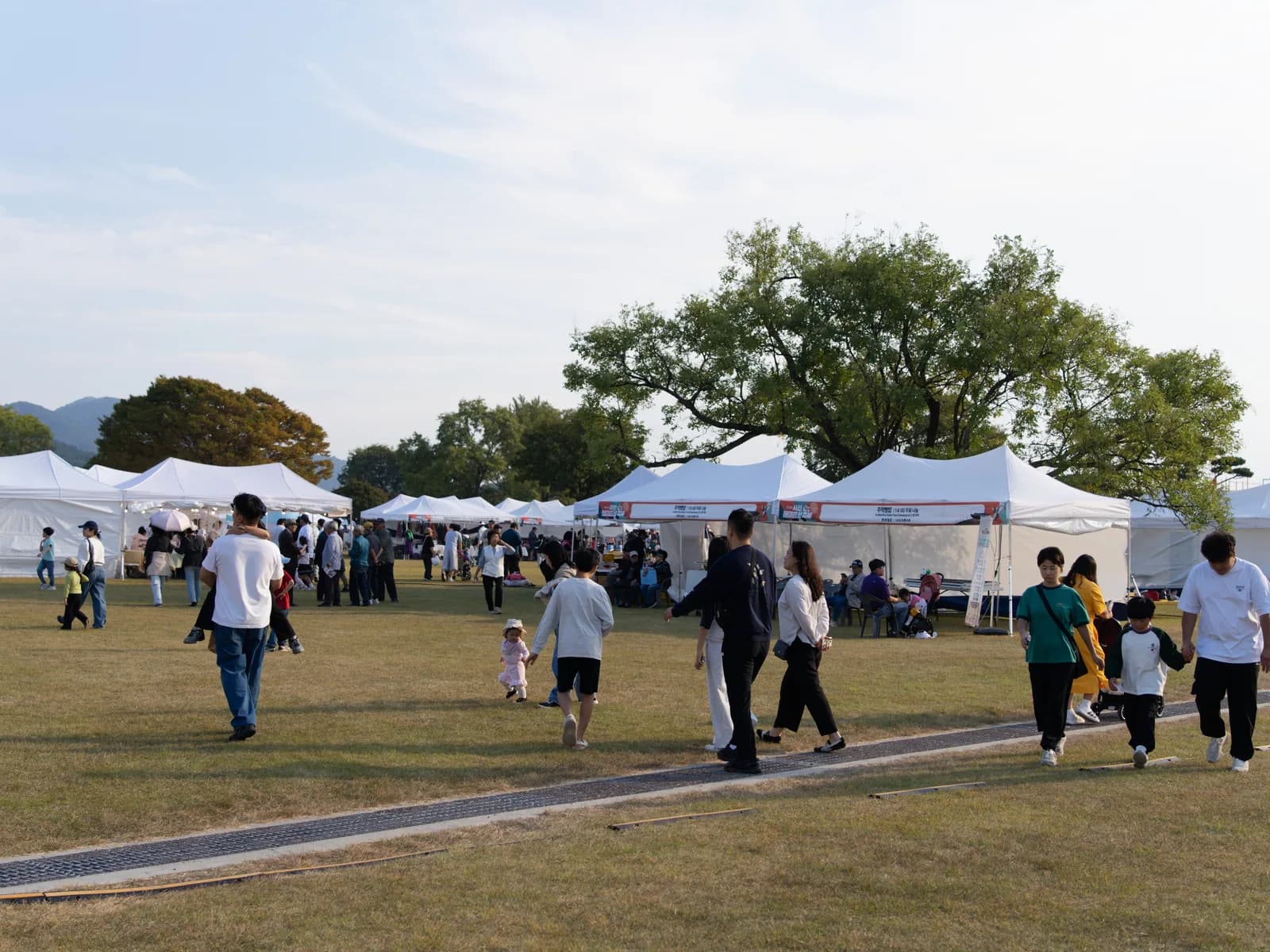
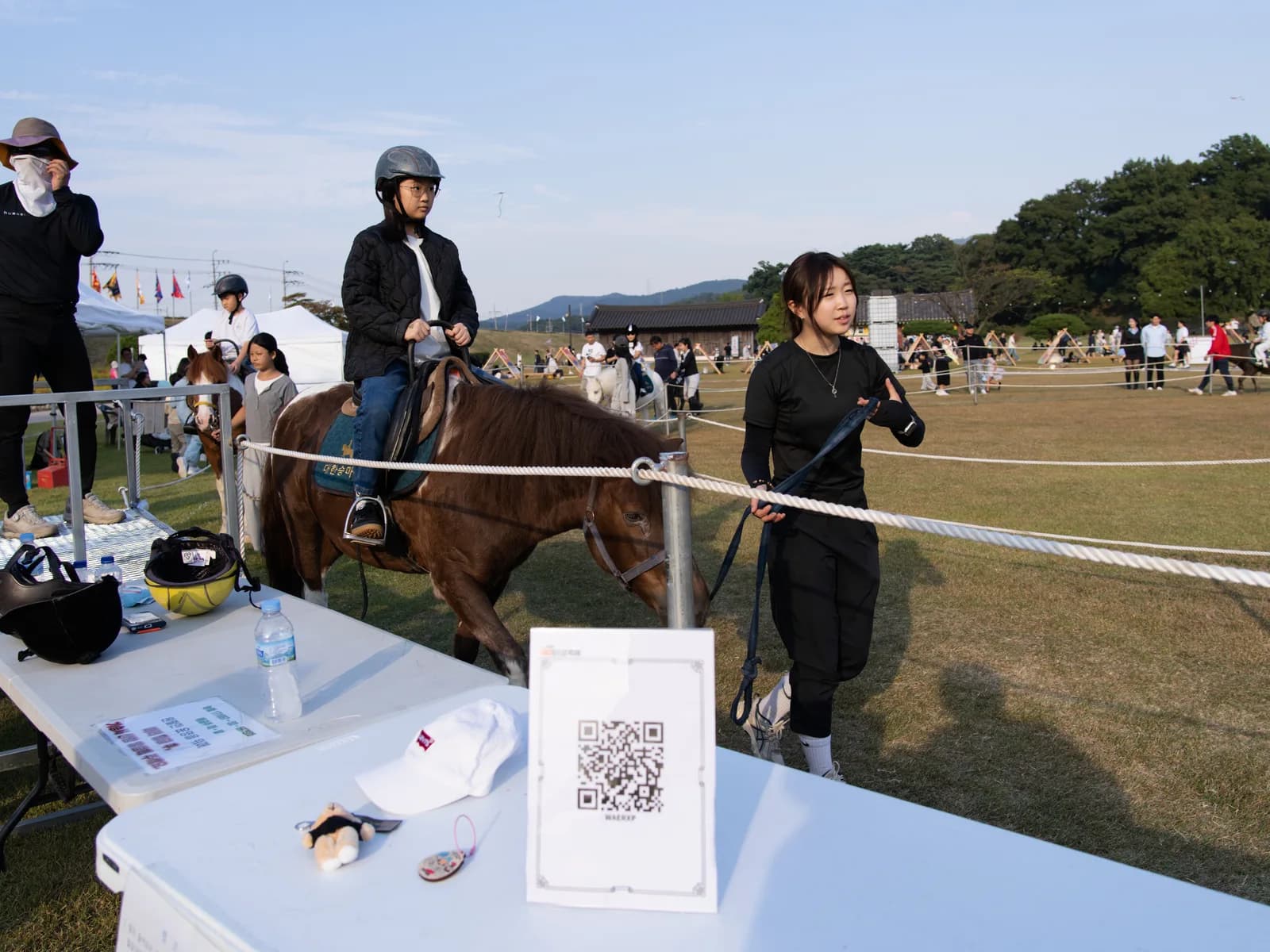
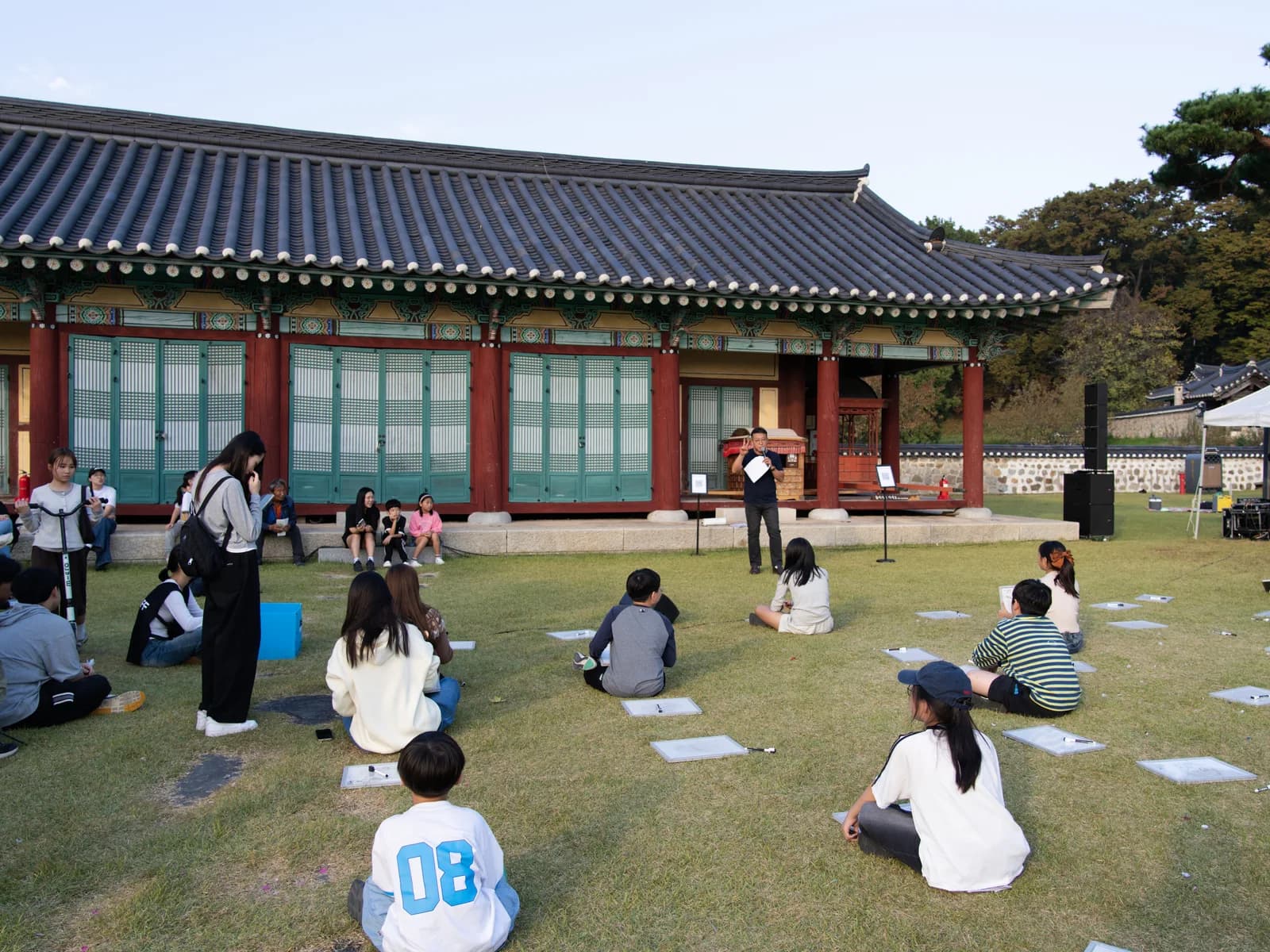
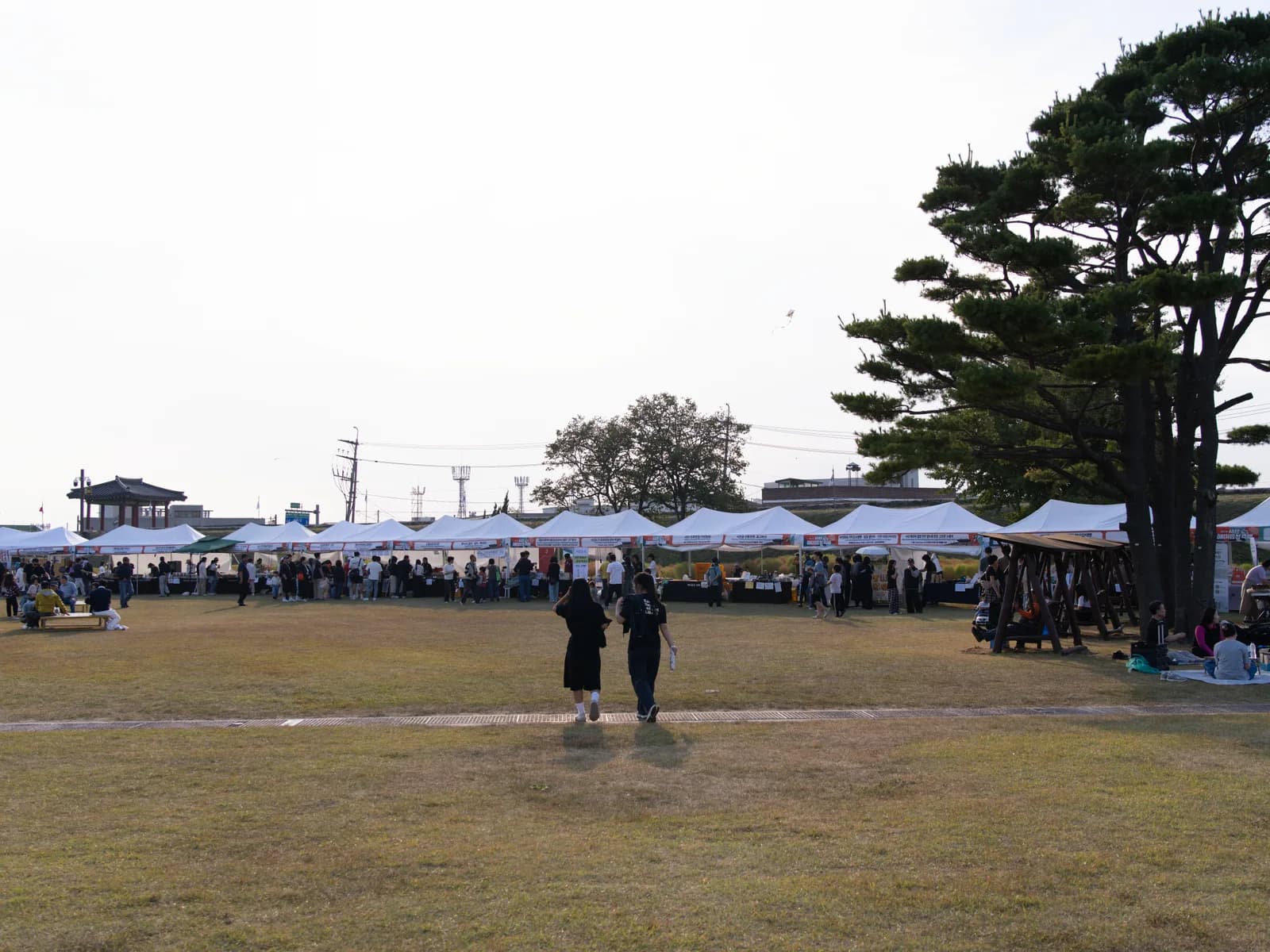
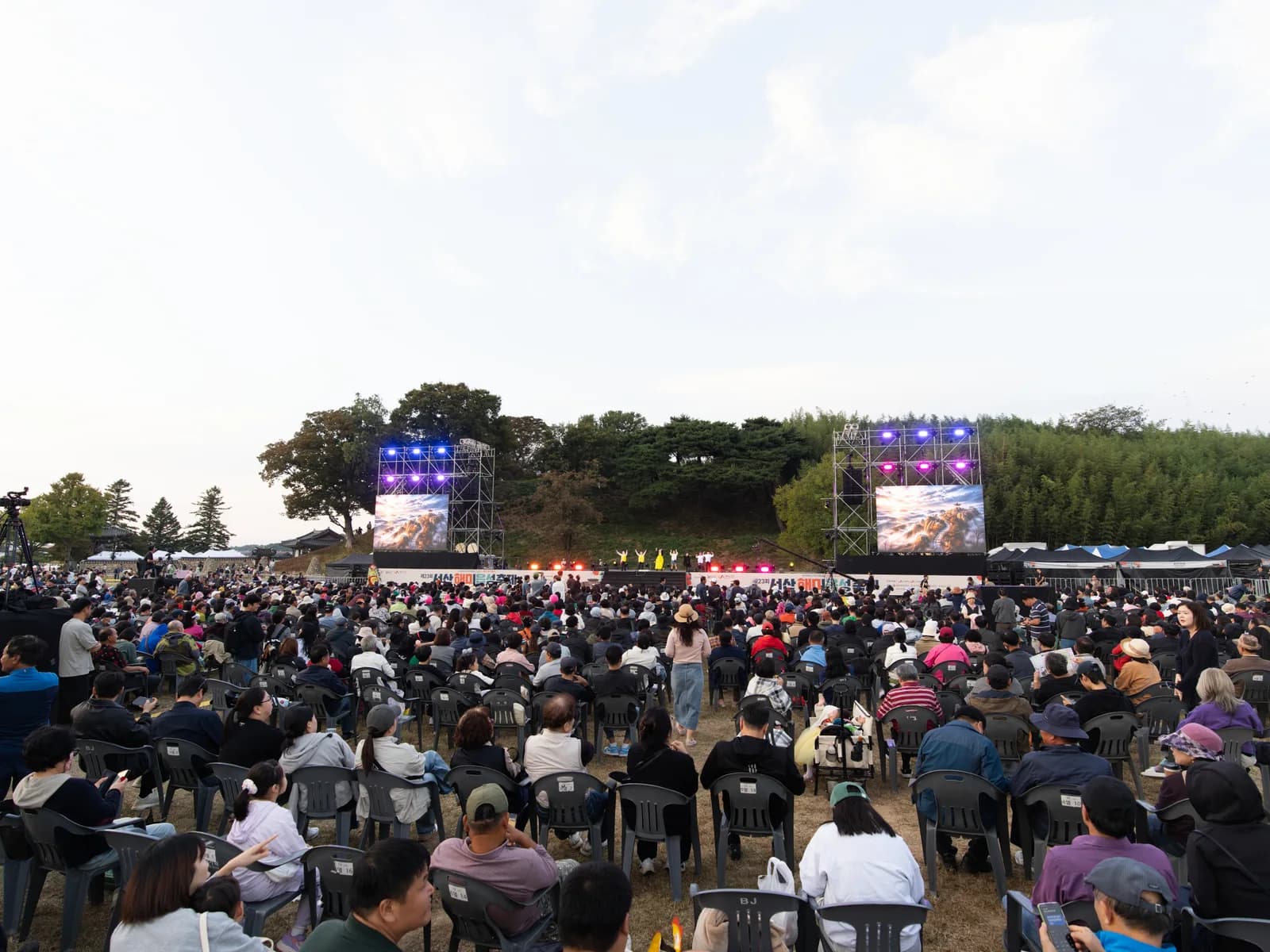
Return to Haemi 1421 QR signs and game screens can be seen across the festival grounds. Photos of booths, horse riding, History Golden Bell, and the outdoor stage show the wider festival program and on-site setting.





Adapt a gamified stamp tour for festivals, museums, and local tourism
Return to Haemi 1421 is a case built around the places and history of Haemieupseong. The same approach can inform a new experience for a local festival, museum or exhibition, heritage walk, or tourism route. QR check-ins can connect each stop to a story, mission, and progress record. These are possible applications, not additional completed projects; scope depends on each event's content and operating conditions.
A simple QR stamp tour focuses on recording a visit or participation and collecting stamps. A gamified stamp tour adds elements such as a story, character conversations, quizzes or missions, progress, and a result screen to connect visits into one experience. Select only the elements that fit the event and venue.
- Local festivals: zone or booth exploration, event-themed missions, and festival stories
- Museums and exhibitions: QR museum tours by gallery, object observation prompts, and family activities
- Local tourism and heritage: QR missions connecting landmarks, place stories, and route completion records
To start planning, outline the locations and visitor route, operating dates, story, missions and completion flow, required languages, and on-site guidance or support. You can discuss the event concept even if some details are still open.
Introduced by official accounts
The official Seosan City and Haemieupseong Festival accounts also introduced the game and on-site experience. Seosan City post · Seosan City video account · Haemieupseong Festival and cultural foundation post
FAQ
What is Return to Haemi 1421?
It is an on-site mobile web game that lets visitors follow places and stories at Haemieupseong Fortress. Scan a QR sign to open a place and continue its conversations and activities.
Do I need to install an app?
No. Open the game in a mobile browser.
What activities are in the game?
Visitors can talk with characters, take history quizzes, explore fortress-stone stories, and visit festival booths. The journey notebook shows their progress.
Can I play in Korean and English?
Yes. Choose Korean or English in settings.
Can I keep playing after I see my path?
Yes. Your journey record stays available, and you can continue quests after finishing the journey.
Can you create a gamified stamp tour for another festival or museum?
Yes. The Haemieupseong case can inform QR missions and visitor flows tailored to a festival zone, museum gallery, or local tourism route, with stories and activities suited to each place and audience.
How is a simple QR stamp tour different from a gamified stamp tour?
A simple QR tour focuses on visit or participation check-ins and stamp collection. A gamified tour can add stories, characters, quizzes or missions, progress records, and a result screen to connect stops into a journey.
Can this format work for museums, festivals, and local tourism?
These are possible applications, not additional completed projects. The Haemieupseong case is the example shown here; each new scope depends on its venues, route, content, and operating needs.
What details should I prepare to request a quote?
Share the locations and route, operating dates, story and missions, completion flow, languages, and on-site guidance or support needs. You can discuss the concept before every detail is finalized.
How much does a simple QR stamp tour cost?
Pricing for simple QR stamp tours has not been set. The gamified-tour quote basis does not automatically apply. We first review the required features, QR locations, operating period, and on-site support.