
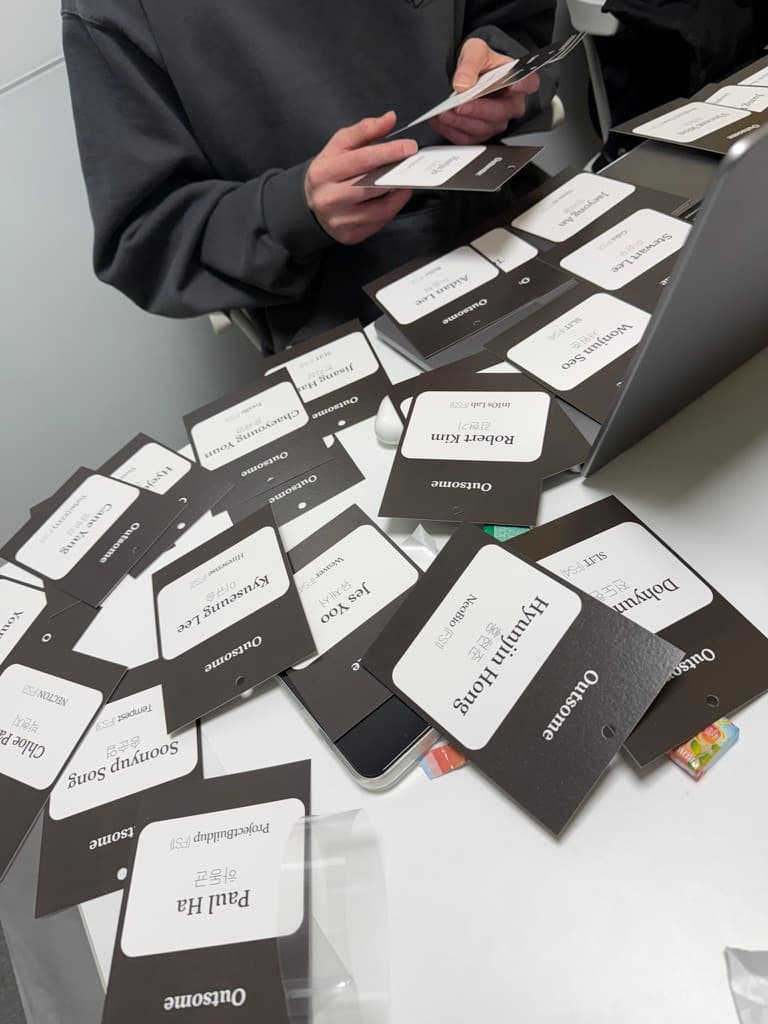
At the center of why people attend events, there are always people. Yet organizers who called their event's networking "very effective" dropped from 46% to 15% in a single year. What broke? This piece is a record of how to read that number — and five ways to turn networking at your next event from luck into design.
The talks are on YouTube anyway
Session recordings go up on YouTube within a week. Slides get shared by email. And still, people take the time, pay for the travel, and show up.
They come to meet. Content can be viewed later, but opportunities to talk with people who share an interest need their own place in the program.
But the organizers' answers look strange
Bizzabo's official 2026 State of Events summary reports how surveyed organizers rated networking effectiveness.
- "Very effective" — 15% (46% in 2025)
- "Somewhat effective" — 60%
Most chose somewhat effective. These are annual respondent self-assessments, not a verified panel tracking the same people or events. They do not measure a corresponding fall in meetings or relationship quality.
Planning for changing expectations
Bizzabo's commentary links the difference to rising expectations. That interpretation is not experimental proof of the cause, but offers questions for planning the next event.
- Attendees want connections worth the time they invested.
- Sponsors have started asking "who met whom" instead of "how many came."
- Executives demand evidence that the event fed an actual pipeline.
The events that work are designing networking, facilitating it, and staffing it.
Two scenes of networking left to luck
Scene one: the coffee break. First-timers stand against the wall while acquaintances cluster. Providing space and time is not design. The people who need connections most are the ones least connected.
Scene two: business cards. The meeting happened at the moment of exchange, but with no record, it evaporates the moment the event ends. What remains on the desk the next morning is a stack of paper, and no memory of which conversation belonged to whom.
The moment it is recorded, networking becomes measurable
What we confirmed while building NFC badges and check-in systems is simple: the moment a meeting becomes data, networking turns from 'atmosphere' into 'metrics.'
- One badge tap exchanges contact details and records who met whom.
- Overlaid with per-session access logs, you can see which sessions produced which meetings.
- That data feeds the next event's table assignments, session design, and sponsor reports.
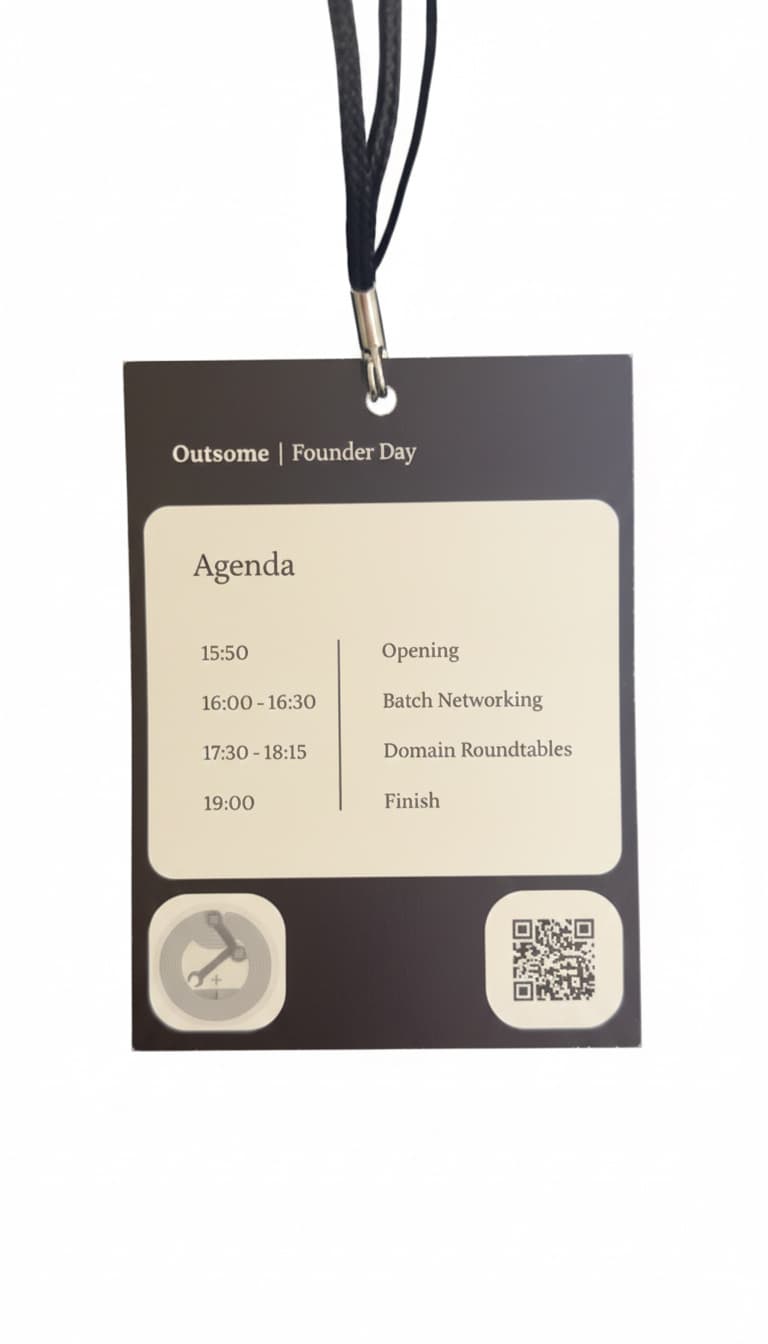
One honest caveat: the tool is not a cure-all. An NFC exchange completes only when the other person responds, and tap counts are not relationship depth. Tools raise the odds of meetings and keep the record — the quality of the conversation remains the work of people and design.
Five ways to design networking into your next event
These apply at the planning stage, whether or not you adopt any system.
- 1Set the goal as a number. A benchmark like "three new connections per attendee" makes both design and evaluation possible.
- 2Manufacture the first meeting. Interest-based table assignments, three minutes of greeting your neighbors at the opening — the minimum machinery that peels first-timers off the wall.
- 3Let the badge do the introduction. One line of affiliation and interests under the name, color-coding by track. The badge supplies the pretext for starting a conversation.
- 4Make meetings leave a record. NFC or QR exchange is cleanest; failing that, at least collect advance consent for sharing the attendee list. Telling attendees in advance what gets recorded is the precondition. For a holiday party, running a year-end networking event covers the on-site side too.
- 5Follow up within 48 hours. A follow-up with the list of people met and how to reach them. Connections are completed the following week, not in the venue.
In closing
Networking did not collapse. The approach of "we gave them a room, they'll figure it out" reached the end of its life.
Attendees come to meet, sponsors want evidence of meetings, and executives want those meetings to become numbers. One method satisfies all three at once: design the meetings, and record them. An event that can show who met whom, instead of settling for "the vibe was good" — that is why we build badges and check-in systems.
FAQ
Why isn't a coffee break enough for event networking?
When you provide only space and time, first-timers stand against the wall while acquaintances cluster. The people who most need connections stay least connected, and nobody even knows whether meetings happened. Unmeasured networking can neither be improved nor proven to sponsors.
Where does networking design start?
Start by setting the goal as a number, such as three new connections per attendee. Then build first-meeting machinery into the plan: interest-based table assignments and a short structured greeting at the opening.
How can meetings be recorded?
NFC badges or QR exchange are cleanest — one tap exchanges contacts and records who met whom. Without a system, at least collect advance consent to share the attendee list. Telling attendees in advance what gets recorded is the precondition.
Do NFC badges automatically improve networking?
No. An NFC exchange completes only when the other person responds, and tap counts are not relationship depth. Tools raise the odds of meetings and keep the record; conversation quality remains the work of people and design.
How is networking data used in sponsor reports?
Overlay tap records with per-session access logs to see which sessions produced which meetings. Instead of "how many came," you can show "who met whom" — material that proves event outcomes in numbers to sponsors and executives.
When should the post-event follow-up go out?
Within 48 hours. Send a follow-up with the list of people met and how to reach them. Connections are completed the following week, not in the venue.