
We Ran Yonsei's Digital Healthcare Bootcamp for Five Days
Two days of fundamentals, three days of advanced work. On the final day, 21 students in four teams presented their medical AI projects. zzzarit ran the event from registration through awards.
- Delivered by
- zzzarit
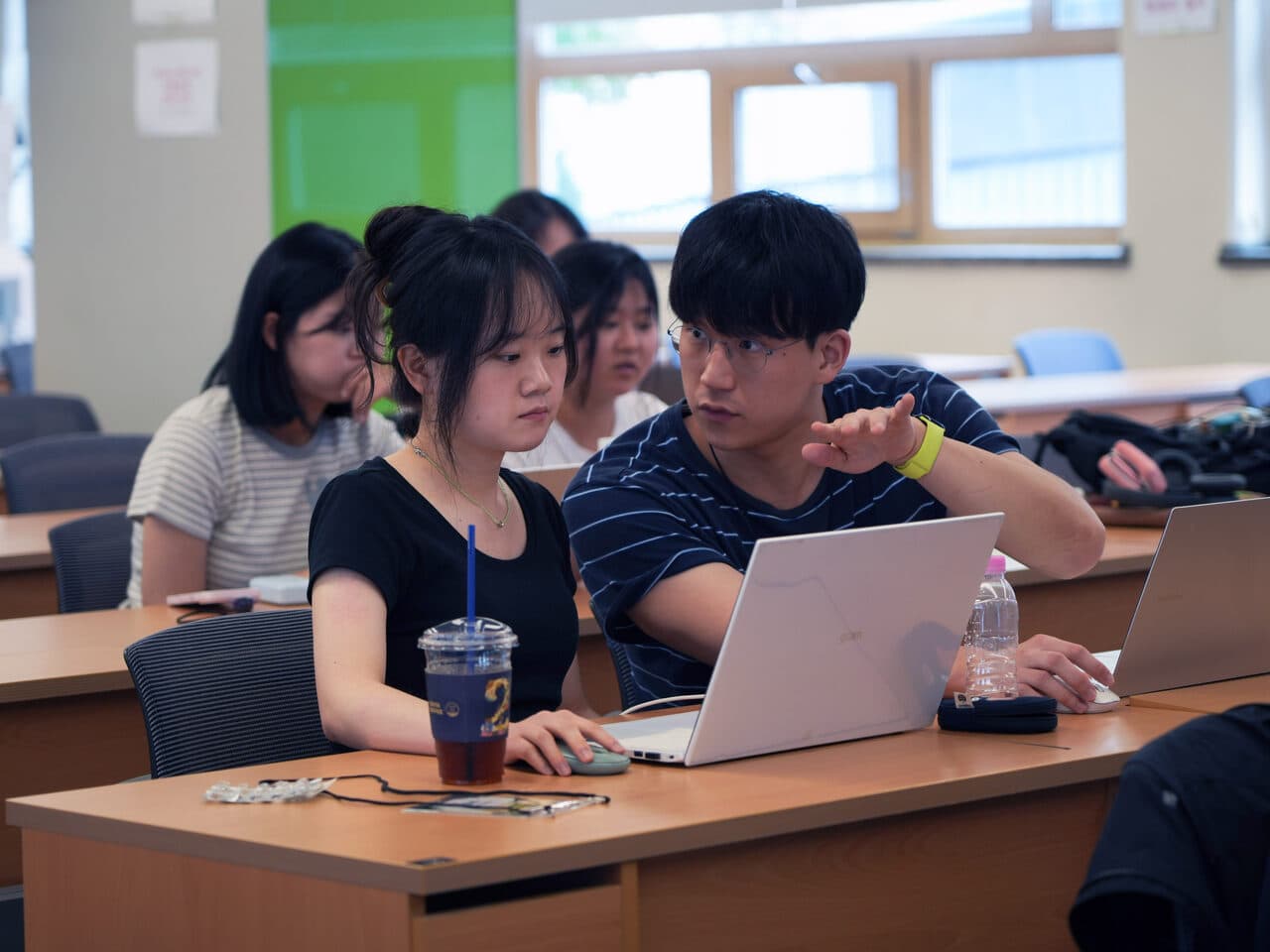
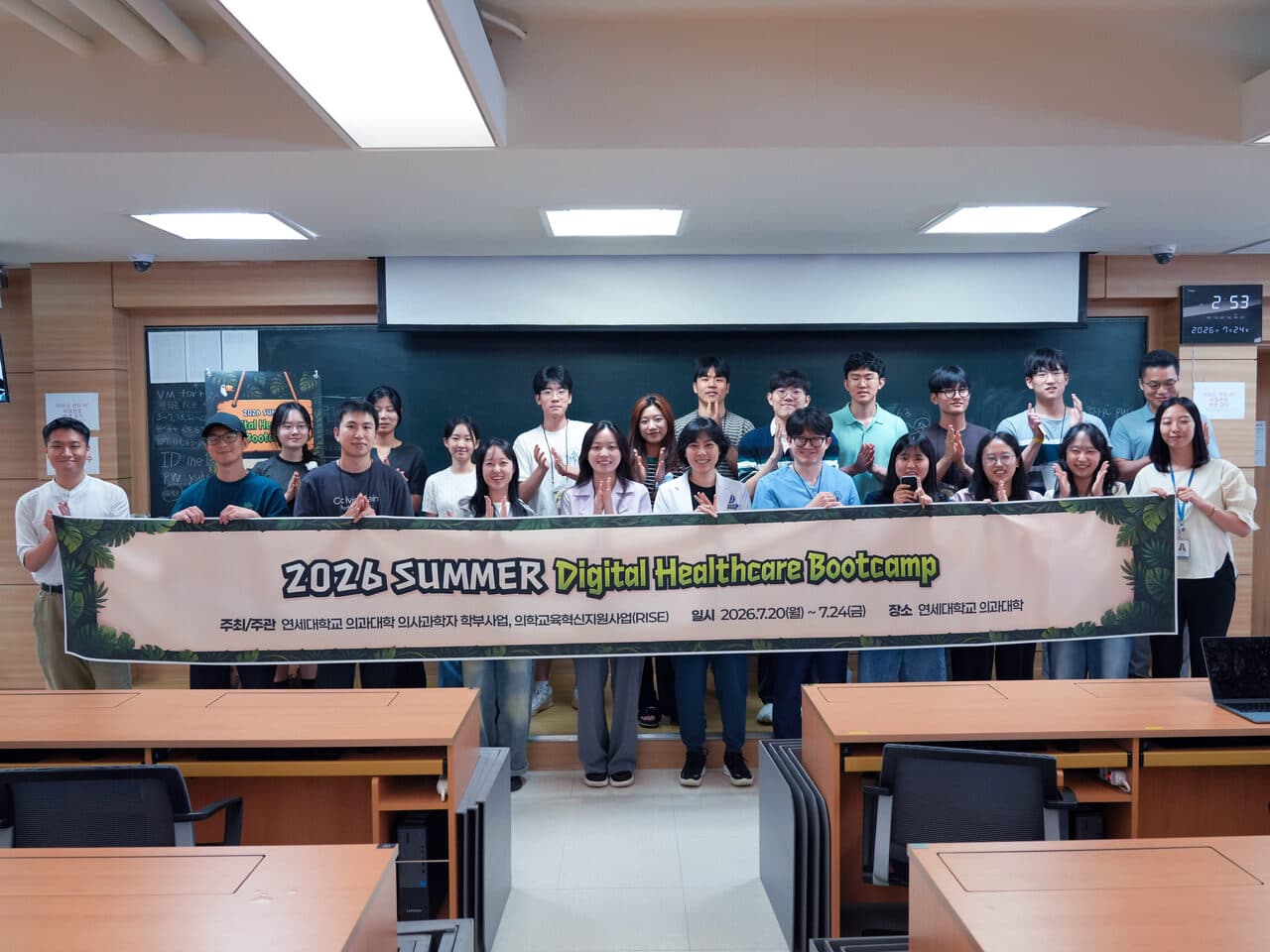
On the morning of July 20, 2026, students from Yonsei's medicine, dentistry, and nursing programs arrived at Room 331 of General Hall with their laptops. They spent two days learning data analysis with R and AI, then three days working on medical AI projects in teams. The schedule ended on day five with presentations from all four teams.
Two Days of Fundamentals, Then Three Advanced Days
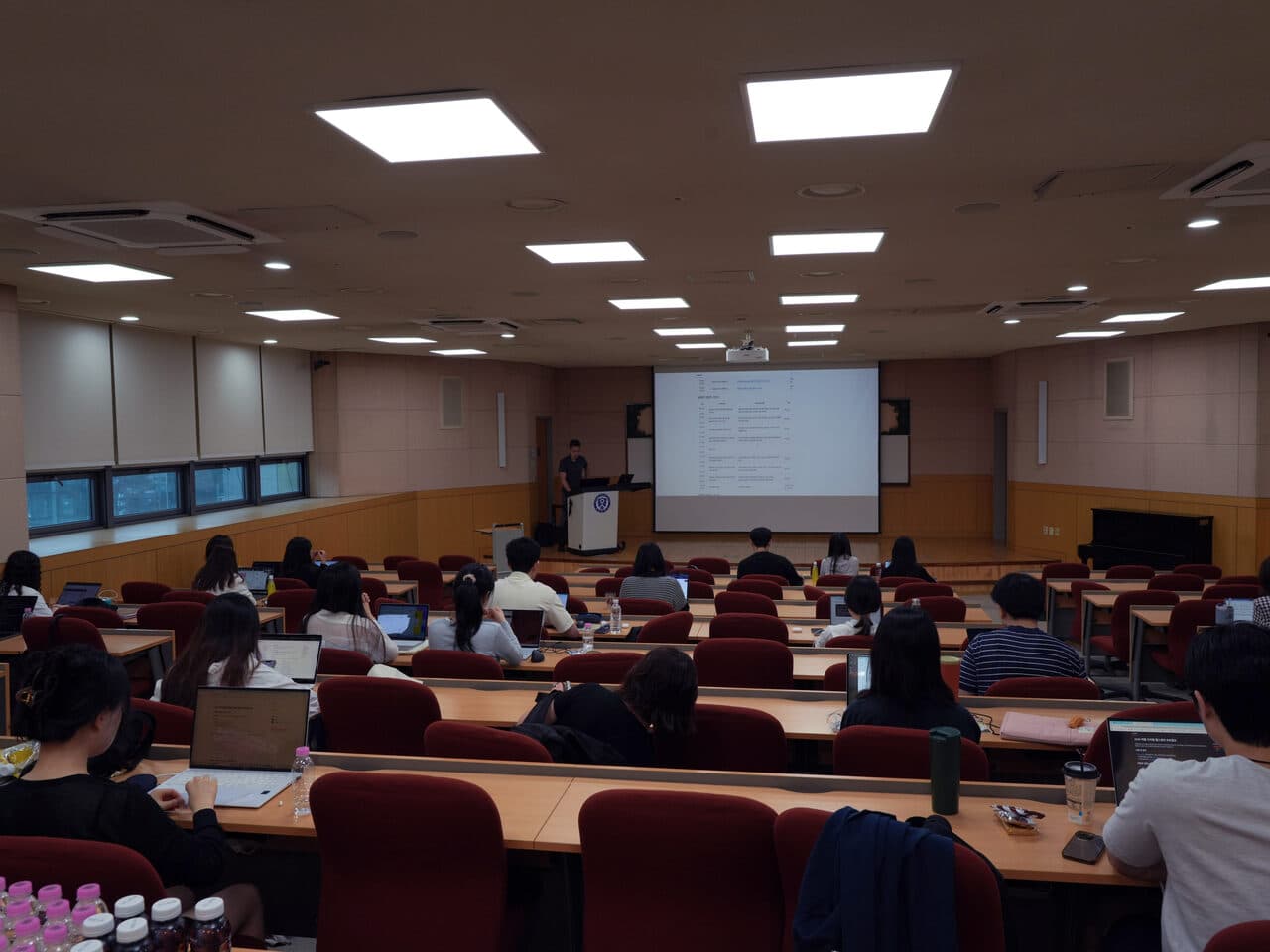
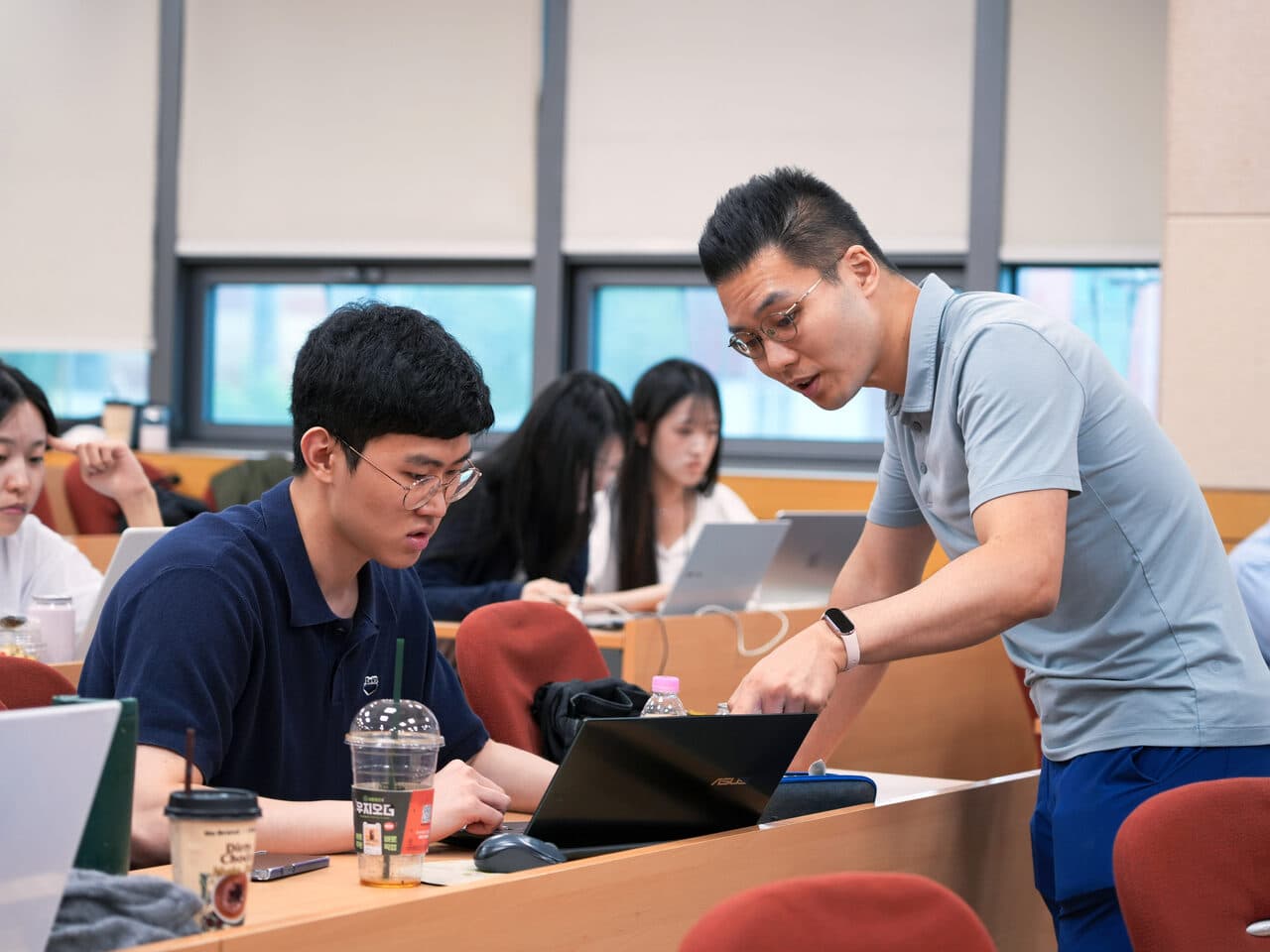
The fundamental track met in Room 331 of General Hall on July 20 and 21. Students worked through basic statistics and medical research data examples using R and AI agents. On July 22, the program moved to the College of Medicine's second-floor e-Learning Center. The advanced track covered medical data such as CDW and CDM, AI research methods, and a team project.
Twenty-one Students Split Into Four Teams
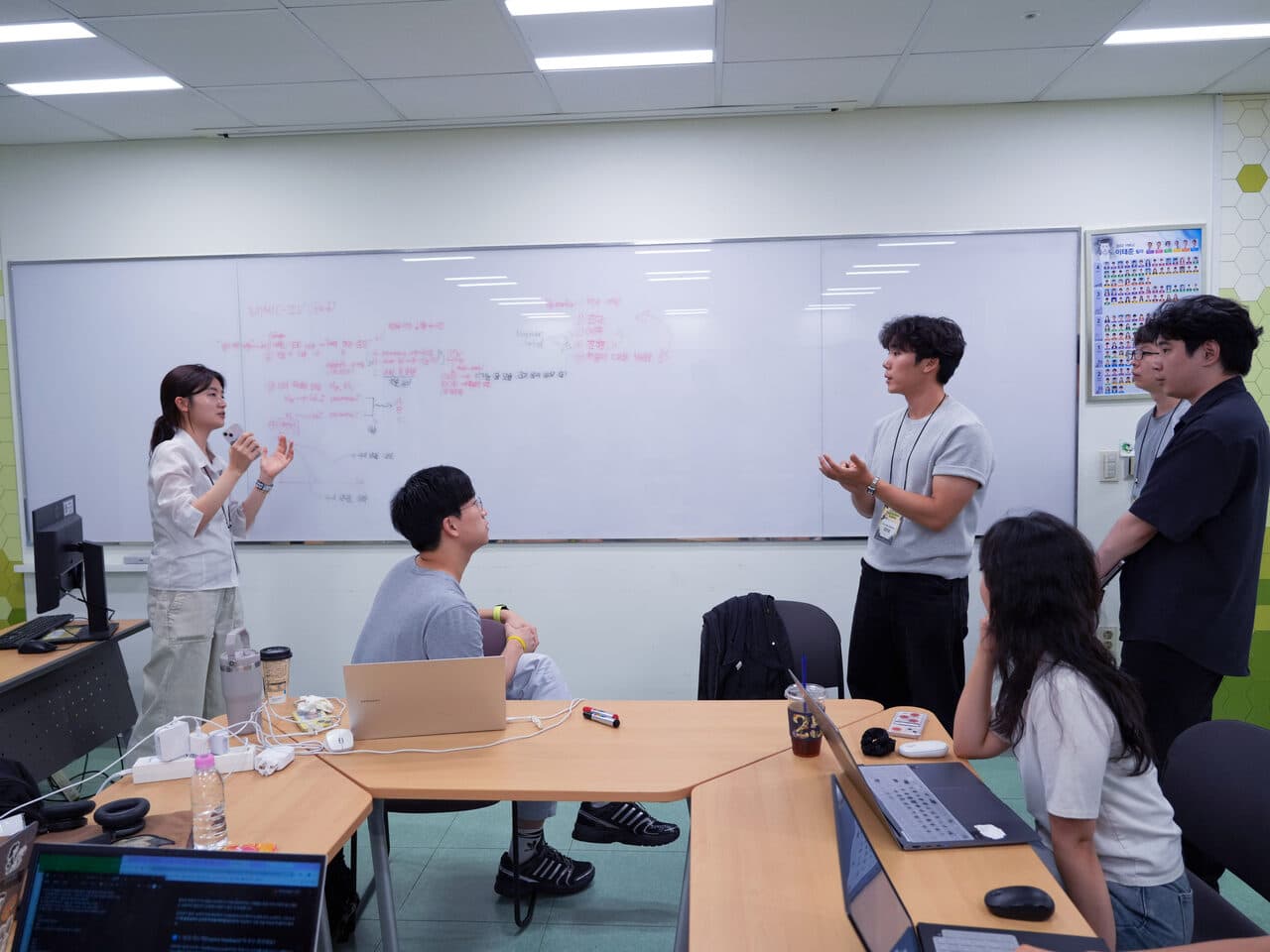
Twenty-one students joined the advanced track. Each of the four teams chose one medical problem, reviewed the data, built an AI model, and interpreted the results. They had three days to settle on a topic, complete the analysis, and prepare their presentation.
- ECG-based myocardial infarction prediction
- ECG-based structural heart disease screening
- Chest X-ray–based ICU admission and transfer prediction
- A multimodal model for pulmonary edema and pneumonia prediction
Presentations and Judging on the Final Day
On July 24, the four teams presented in turn. Each team had seven minutes to present and 15 minutes including questions. Three judges scored the research topic, analysis process, and interpretation. Once the scores were compiled, the program finished with awards and certificates.
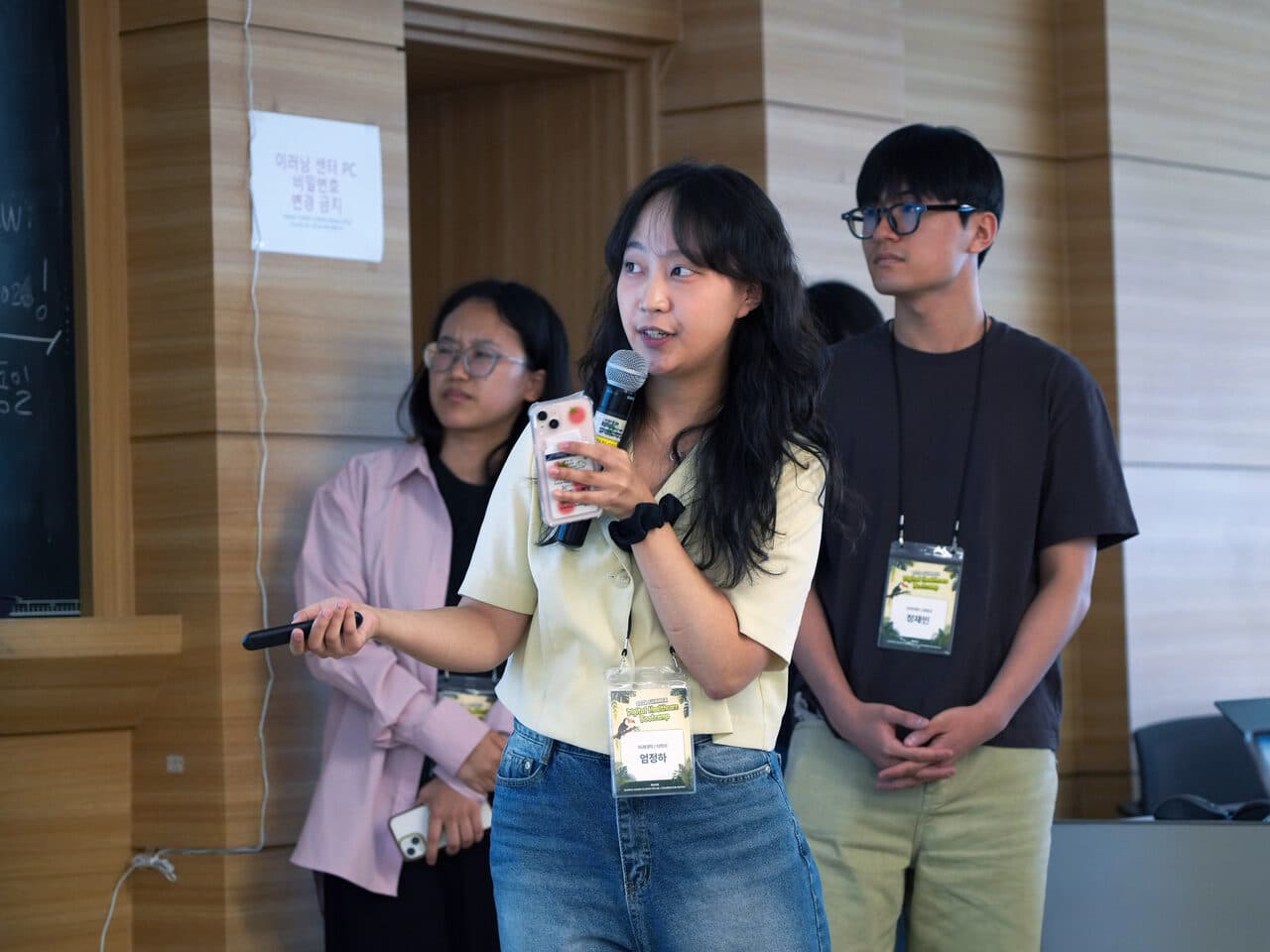
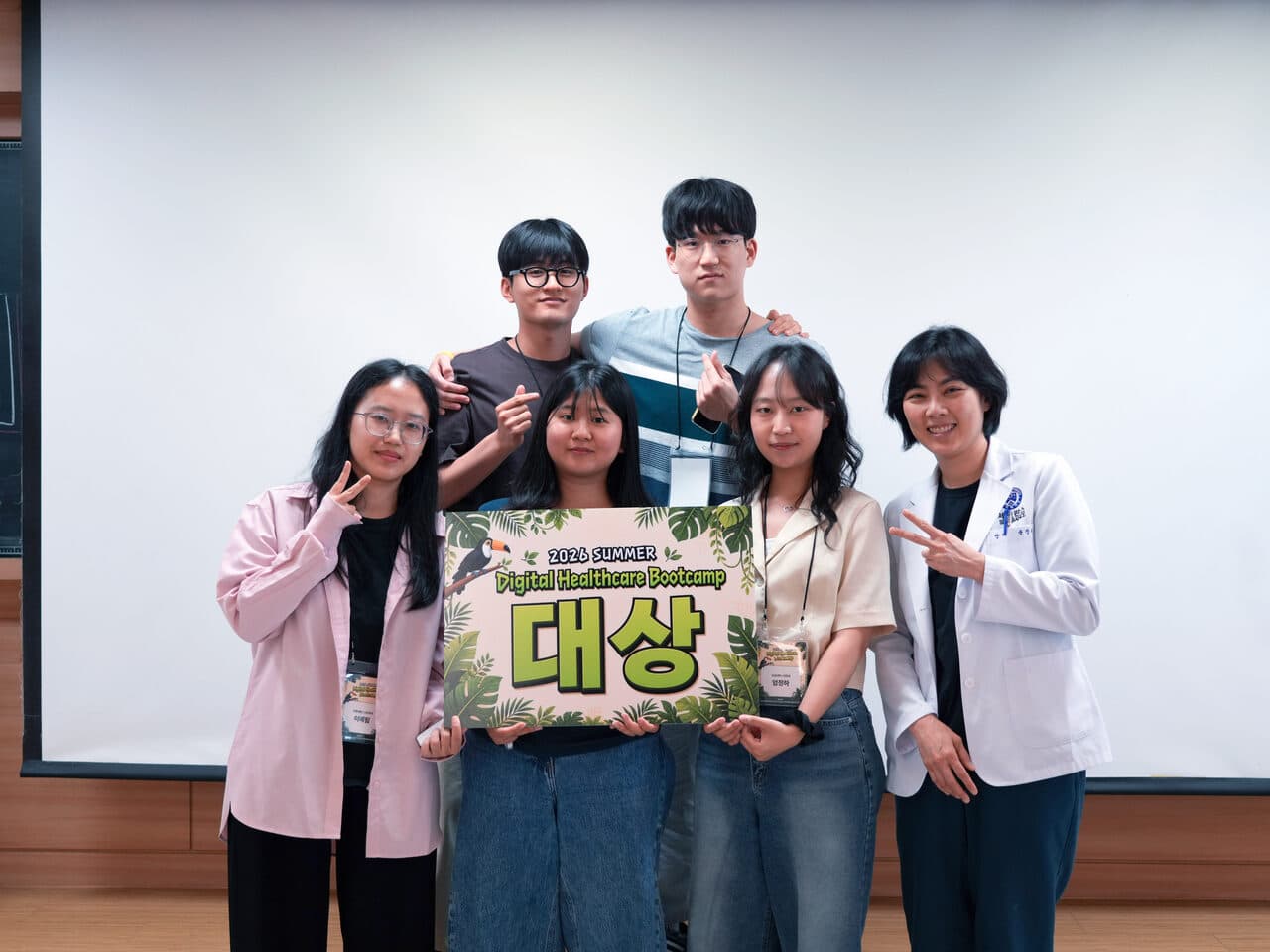
What We Managed Across the Five Days
Six staff members worked on site each day. The first two days and the final three used different venues, and the room setup changed as the program moved from lectures to practice, team projects, and presentations. zzzarit handled participant communication, room and equipment setup, catering, presentation logistics, and documentation.
- Participant communication, rosters, and attendance
- Room setup, AV equipment, and on-site movement
- Banners, signage, name badges, and certificates
- Refreshments plus instructor and participant support
- Presentation order, judging sheets, score compilation, and awards
- Event photography and a three-to-five-minute highlight video
Keeping the Schedule on Time
This bootcamp did not end with lectures. Participants had to use what they learned, choose a research topic, and present their results on the final day. A delay in attendance, equipment, or the presentation order would cut into team work time. Keeping each part of the five-day schedule on time was the most important part of the on-site operation.
What the project owner said
Real client feedback with its connection to this case and publication scope confirmed.
“Once a part is assigned to zzzarit, you do not have to keep worrying about it.”
FAQ
When and where was the 2026 Yonsei Digital Healthcare Bootcamp held?
The five-day program ran July 20–24, 2026. The fundamental track was held in Room 331 of Yonsei University's General Hall, and the advanced track took place in the College of Medicine's second-floor e-Learning Center.
How were the fundamental and advanced tracks different?
The two-day fundamental track covered medical research data analysis and basic statistics using R and AI agents. The three-day advanced track covered medical data, AI research methods, team projects, and final presentations.
How many students joined the team projects?
Twenty-one advanced-track participants worked in four teams on ECG, chest X-ray, and multimodal medical AI research topics.
What did zzzarit manage?
zzzarit handled participant notices and attendance, on-site staffing, room and AV setup, banners, badges and certificates, refreshments and catering, presentations, judging and awards, photography, and the event highlight video.
Can zzzarit manage university bootcamps and multi-day education programs?
Yes. After reviewing the schedule and participant count, we set the required staffing, equipment, printed materials, attendance process, classroom support, presentation logistics, and documentation.